These ideas run from nearly free, like colored ribbons wrapped around joined hands in a handfasting, to real money, like a live painter or a white horse and carriage.
Which idea fits you depends on the guest list and the venue: a micro wedding leaves room in the budget for a better photographer, while a bigger crowd means DIY work on the tables, flowers and lighting, so I would settle the headcount first.
Pick the idea your own number can carry, whether that is a handfasting, a live painter or a DIY day, then build everything else around it.
1. Handfasting Ceremony
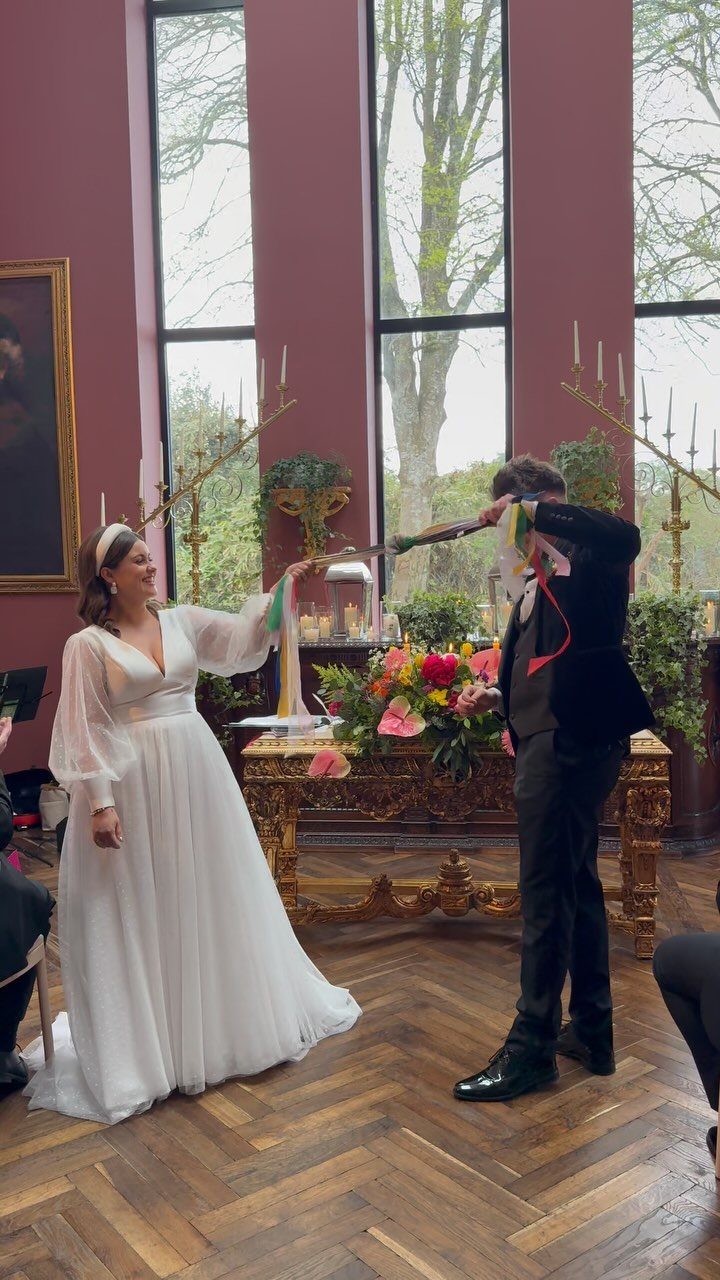
Colored ribbons do the work in a handfasting: the couple’s joined hands are wrapped while the officiant speaks, and the knot becomes the moment everyone remembers. It costs almost nothing, which suits a budget set against a deadline.
Pick ribbon colors that mean something to the two of you, and let a few people each tie one strand.
Keep the wording short so the wrapping stays the focus. Afterward the ribbons can be lifted off and kept, and they make a better souvenir than most favors.
2. Live Painters
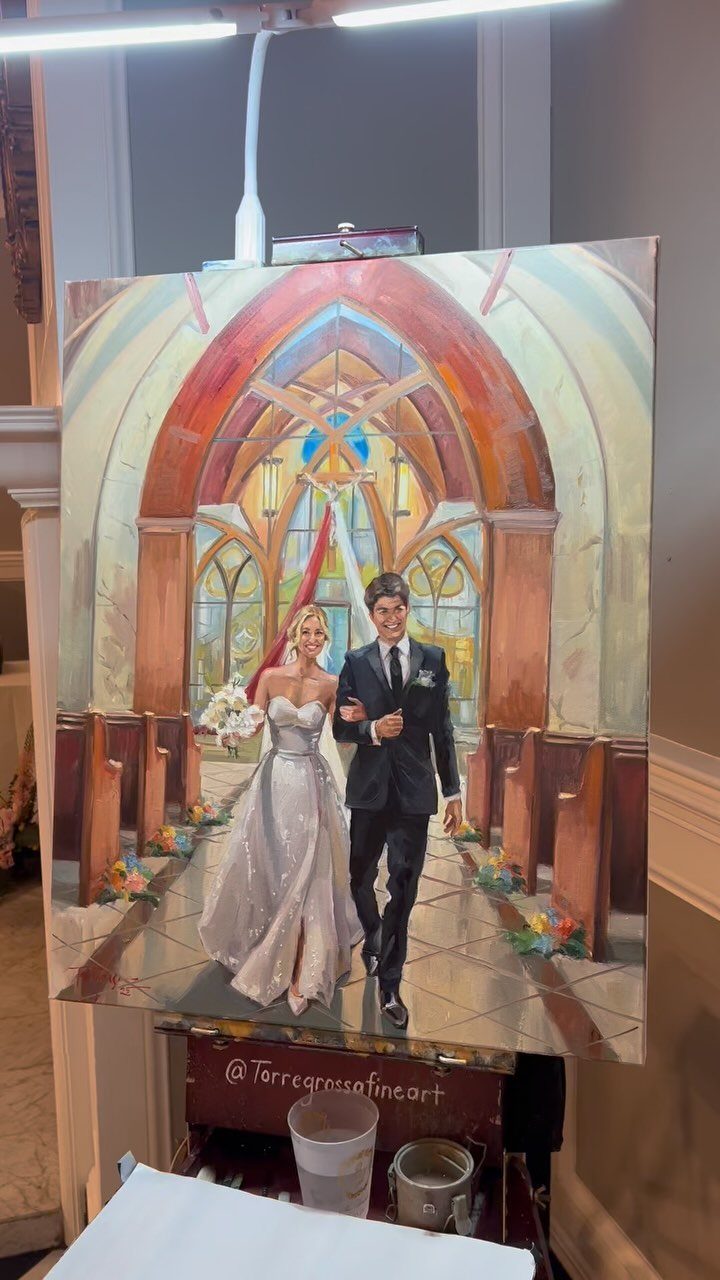
A painter working at an easel while guests mingle gives you a finished canvas by the end of the night, and that is the appeal. Guests watch it take shape, and you leave with art instead of another album.
Hire an artist whose style you already like, and ask what the fee covers before you book. Since painters can capture the ceremony itself, a church aisle or an exchange of vows works well as a subject.
Expect this to cost real money, so I would pick it over a second photo package, not on top of one.
3. Themed Wedding Attire

Dinosaur masks over formal wear sound ridiculous, and that is why they work: the white dress and black suit stay traditional while the heads announce what the couple actually loves. Any shared passion can do the same job.
Keep the formal pieces classic and let one item carry the theme. Masks, a hat, or a pin are cheap, so the budget stays intact.
I would save the full costume for photos, since a single bold element reads as confident, while a head-to-toe theme can start to feel like a costume party.
4. Micro Weddings
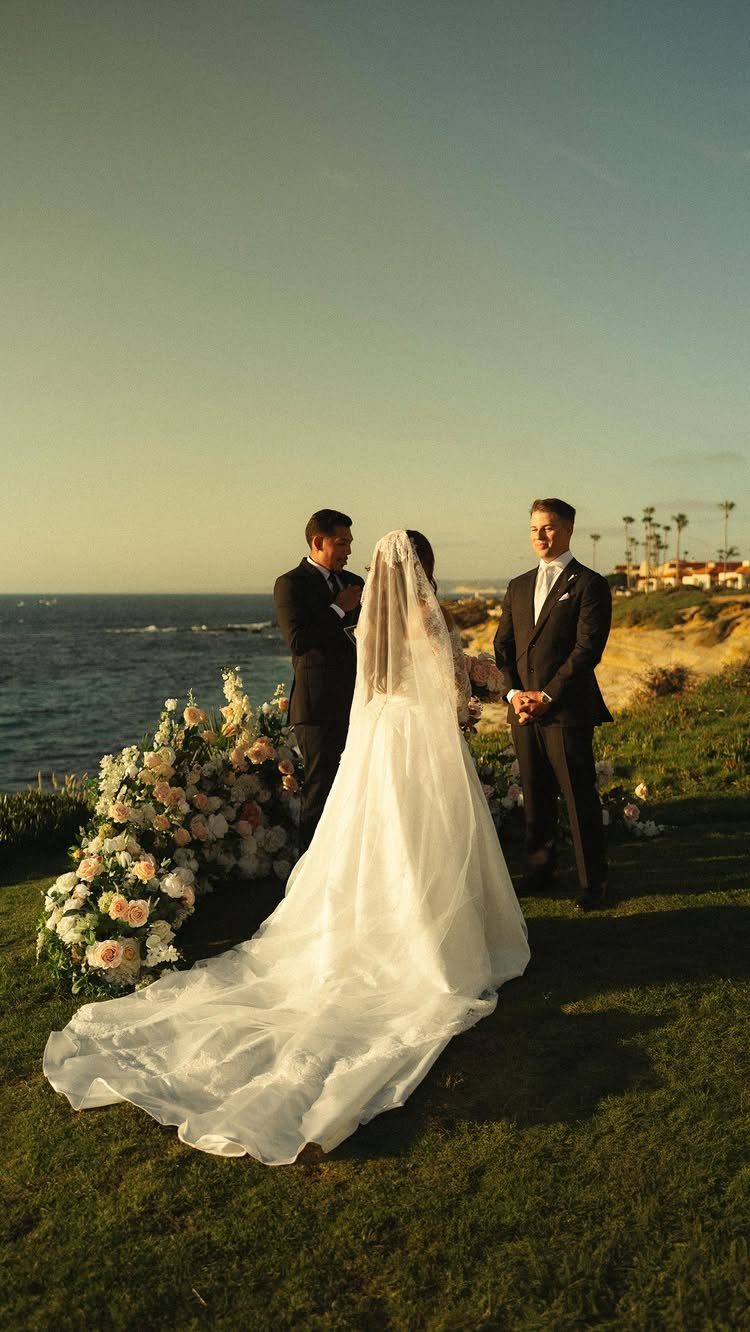
Fewer guests means each dollar goes further, and an officiant, a couple and a clifftop can be the whole event. That is the micro wedding at its simplest, and for a modest budget it may be the best trade available.
Spend the savings where they show: a better venue, a photographer who stays longer, one standout floral arrangement.
Draw the guest list early and hold to it, because every added name pulls you back toward a bigger wedding. Close family and friends only is an easy line to defend.
5. DIY Weddings
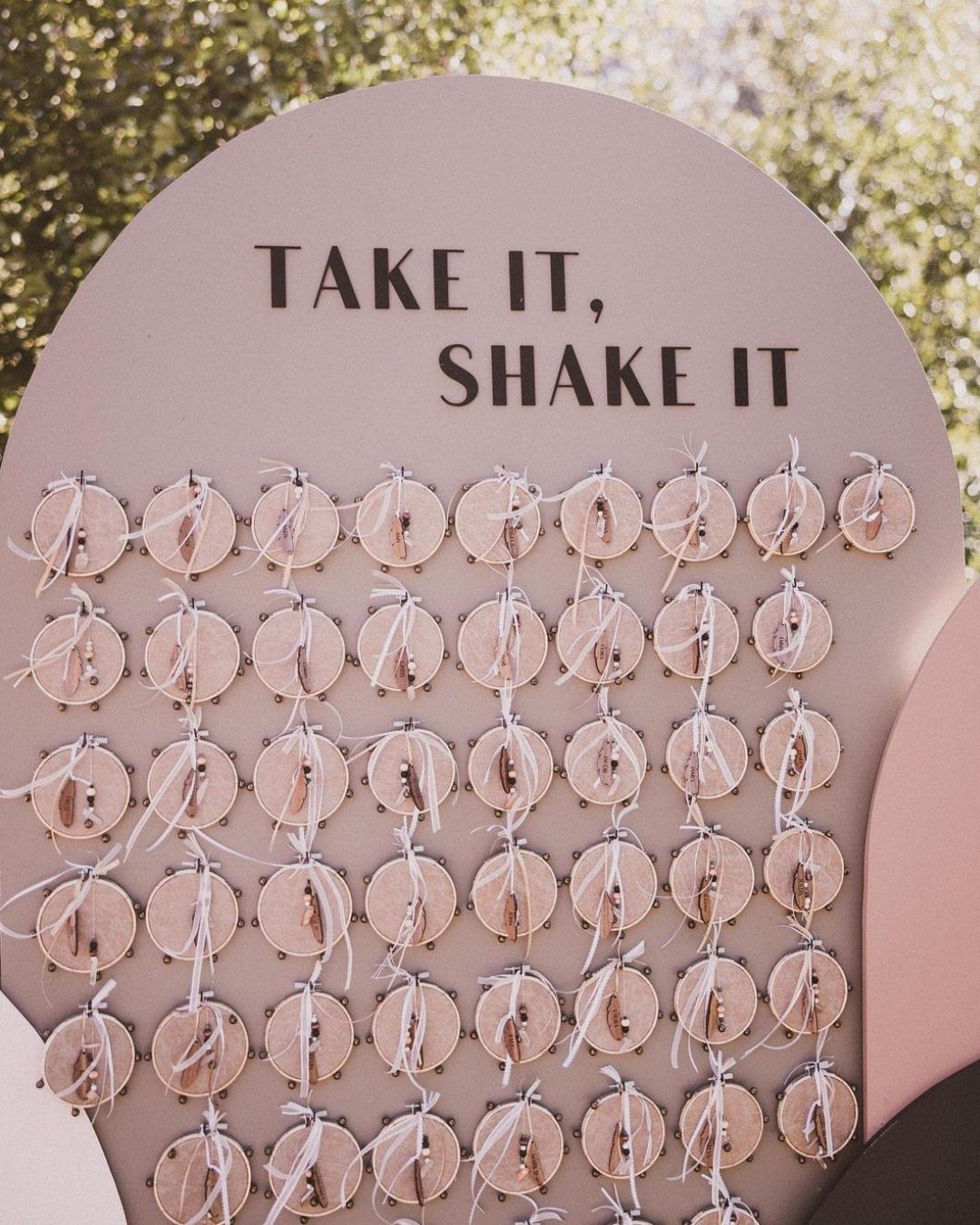
Handmade pieces cut costs fastest when the item is simple and you can make many alike.
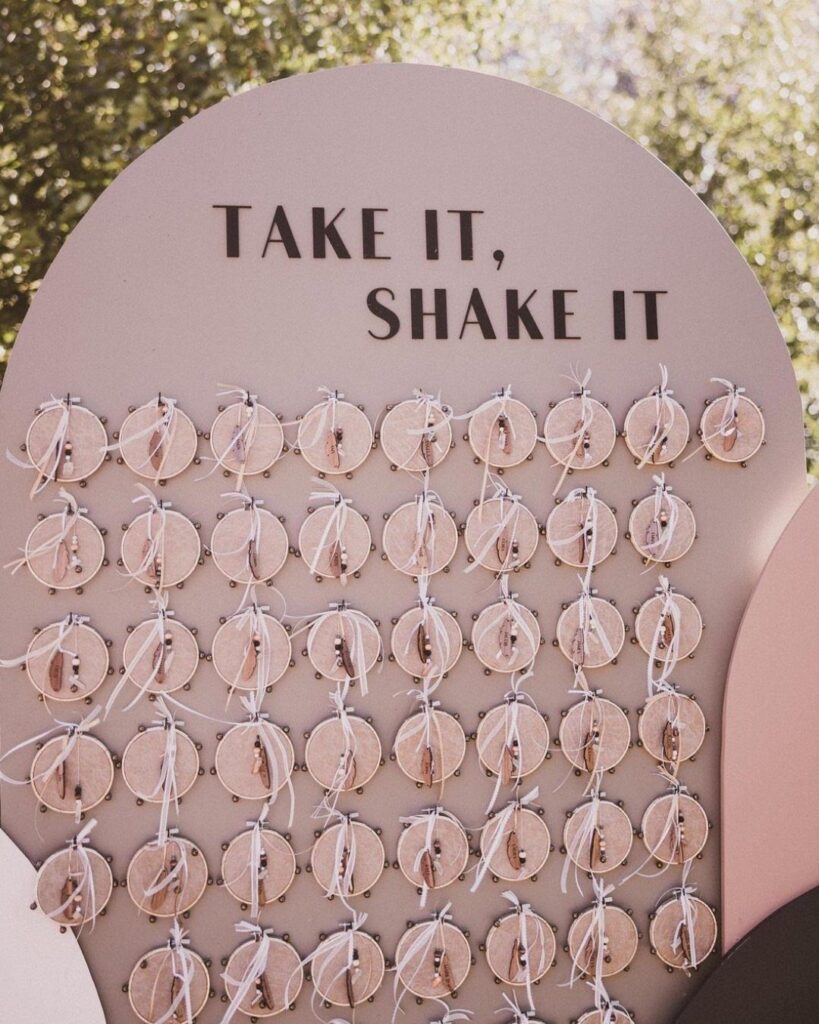
Rows of small shakers tied with ribbon, like a guest send-off kit, are a good example: cheap parts, repeatable steps, and a result that looks deliberate.
Choose projects with one repeated motion and skip anything that needs a delicate finish.
Start early, since a deadline turns a fun weekend craft into a chore. Recruit friends to help with assembly, and buy extra supplies for mistakes.
6. Pet-friendly Weddings
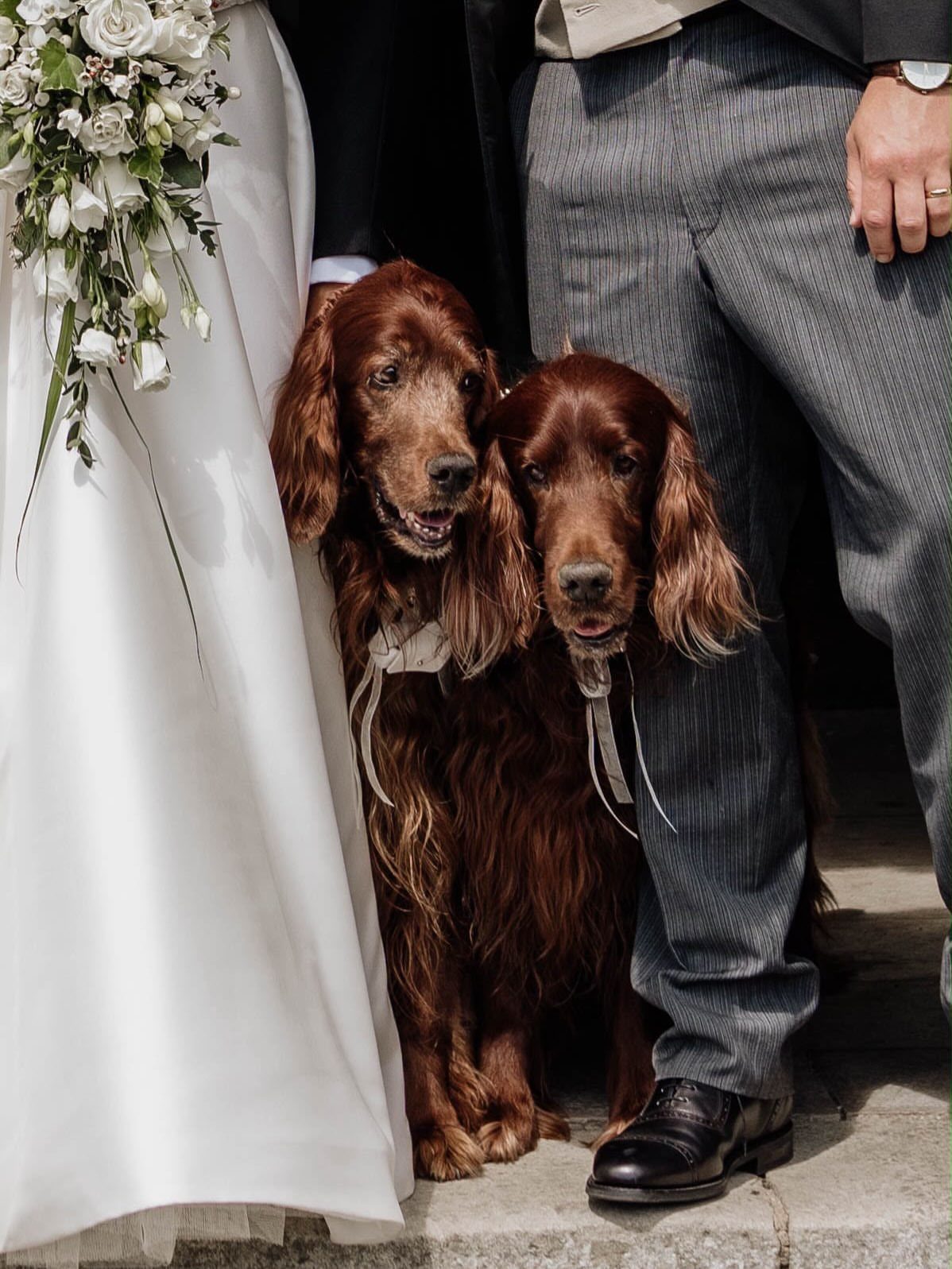
2 Irish Setters sitting between the couple make a portrait no human attendant could match, and dogs can be part of the ceremony itself, not just a photo.
Assign one person to handle each pet so you are not managing leashes in your gown.
Plan for the animals’ comfort, with water, a shaded spot, and a quiet exit if they tire. Check your venue’s pet policy before you commit, because that single rule can decide the location.
7. Unique Transportation
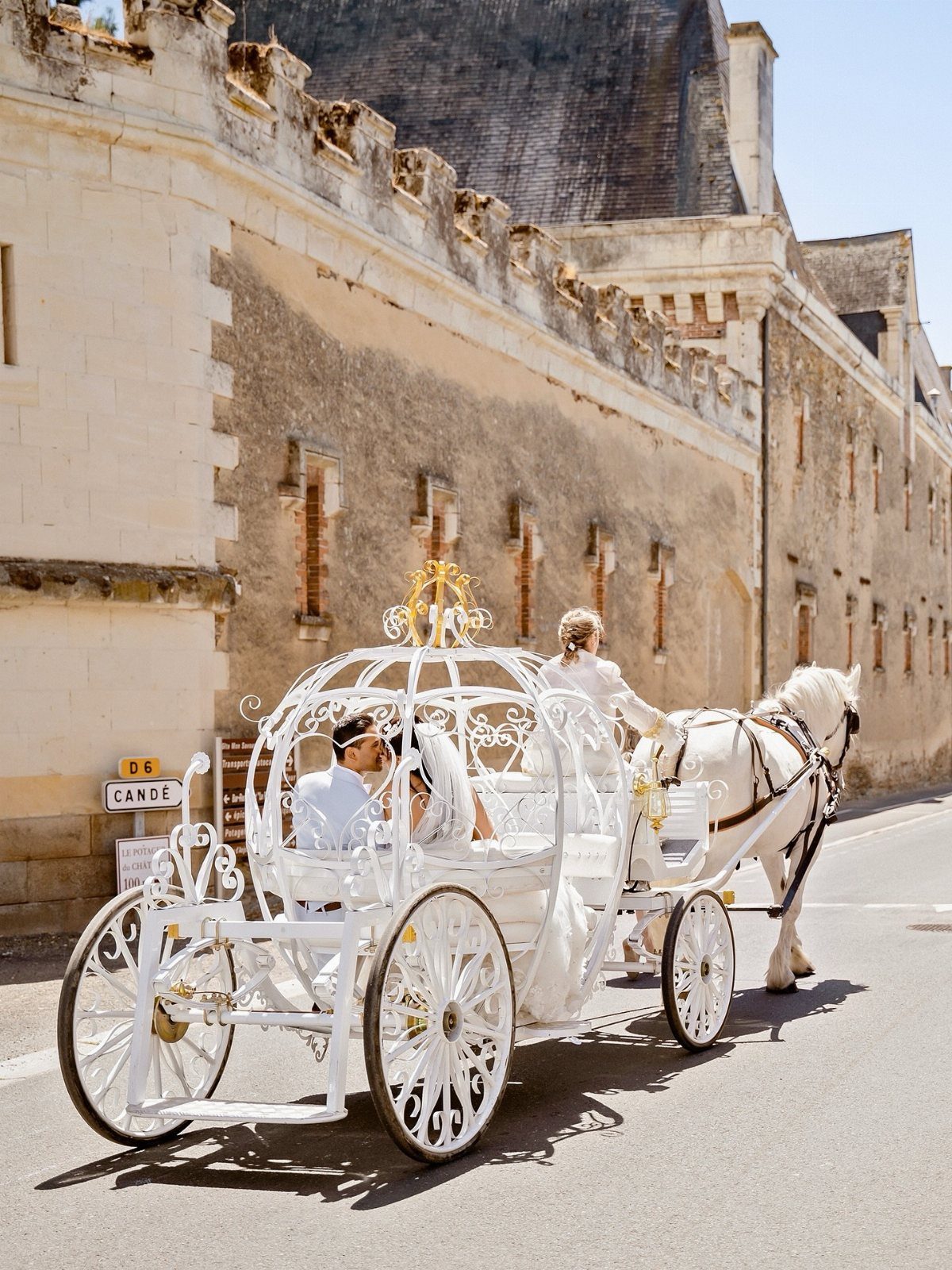
A white horse and an ornate white carriage turn the trip from ceremony to reception into a scene of its own, and the kiss in the back seat is a photo you only get once.
Arriving or leaving this way costs more than a rental sedan, so I would use it for one leg of the day, not both.
Ask the venue early whether a carriage can use its drive or road. Then pick the leg with the best light and the shortest distance, usually the exit.
8. Surprise Performance
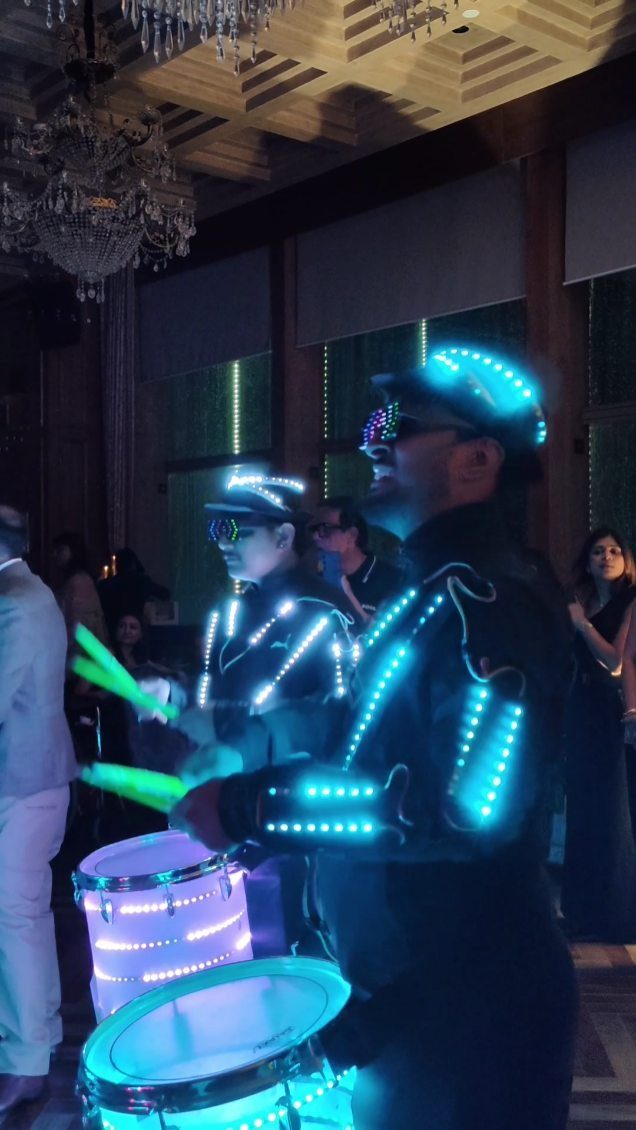
Glowing blue LED suits and neon drumsticks under a crystal chandelier make a room go dark and bright at once, and guests who expected a playlist get a show.
A surprise act works best as a single short set, placed right after dinner when people are seated and watching.
Ask for a quote that includes setup time and sound needs before you commit.
Tell the venue, since lit-up costumes want a dimmable room. Keep the act a secret from guests, not from your planner.
9. Unique Floral Arrangements
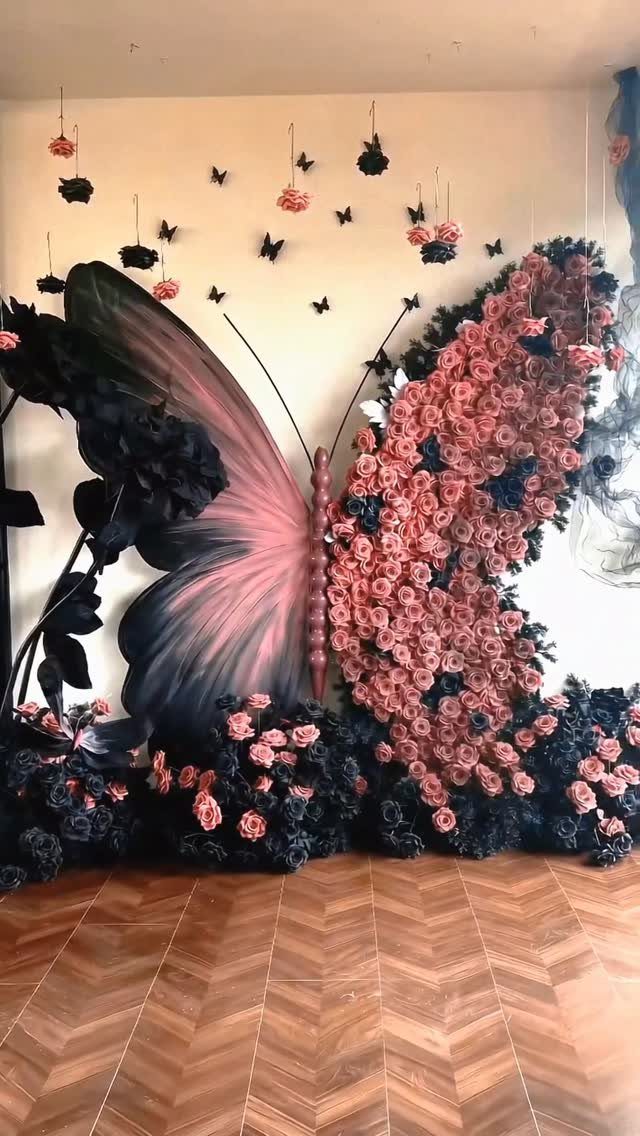
Small butterflies hanging from the ceiling carry the shape into the room, so one motif does the work of several centerpieces.
Pick a single wall guests will pass or pose in front of, and put the money there.
I would rather fund one big installation than spread thin bouquets across every table. Ask your florist for a quote on the installation alone before you decide.
10. Skip the Traditional Cake
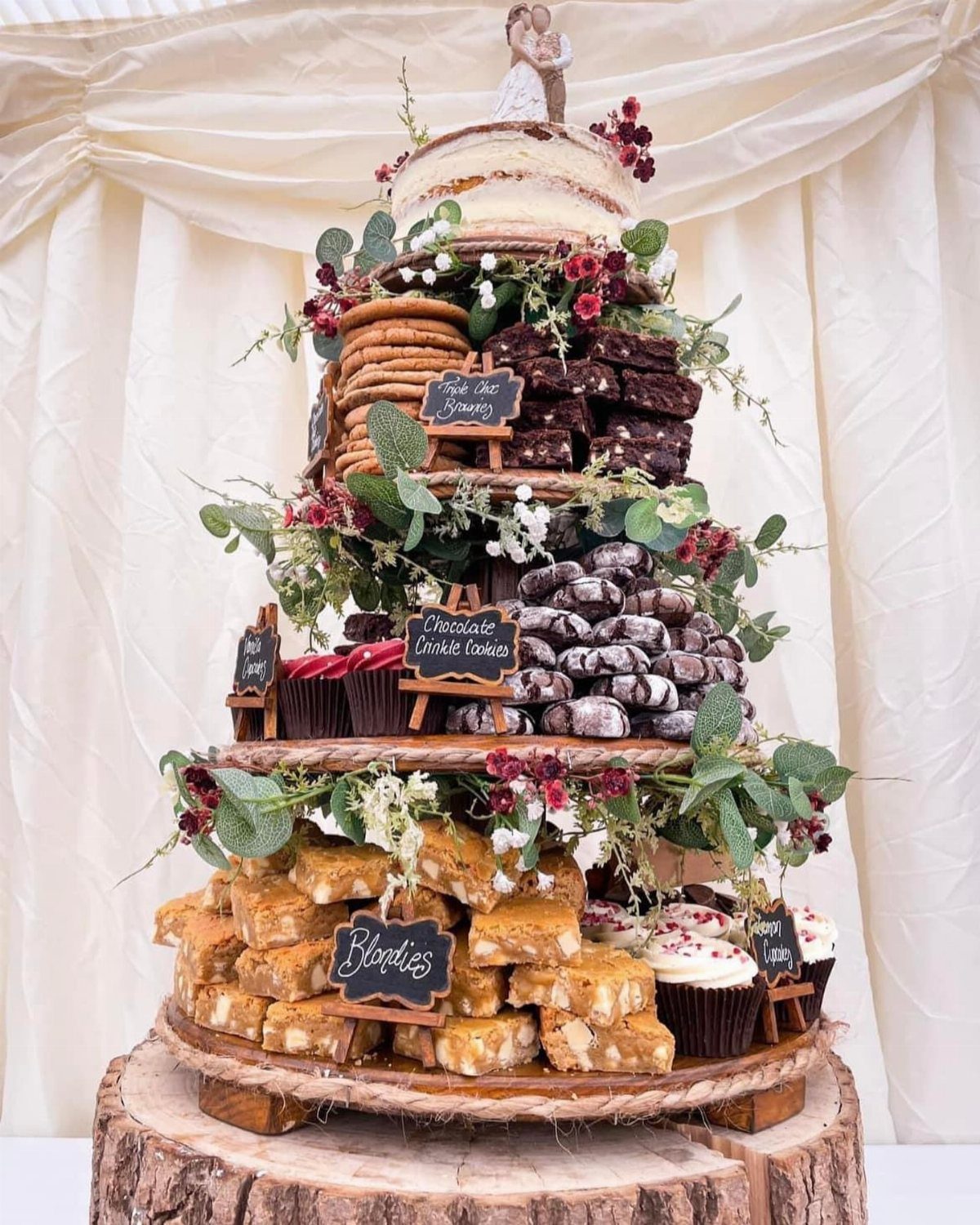
Brownies, chocolate crinkle cookies and blondies on a tiered wooden stand, with a small cake on top for the cutting, give guests a choice a single sheet of frosting cannot.
Label each dessert with a small sign, as the fudge brownies and blondies are here, so nobody has to ask.
Bake or order in bulk, since cookies and bars scale easily. Keep that small top cake for the photo.
Benefits of Non-traditional Weddings
Cost, scheduling and personality are the 3 reasons to step off the standard path, and they pull in the same direction.
A venue outside the usual ballroom circuit can come in cheaper, and it often frees you from the fixed Saturday-night slots that traditional halls guard.
Weigh each benefit against your own number. Lower cost is a possibility, not a promise, so price the whole day before you assume savings.
Flexibility is the quieter win. A looser schedule lets you move the party outdoors, pick a weekday or an off-peak date, and build the day around what you two enjoy instead of what relatives expect.
Write down three things you want the day to say about the two of you. Any choice that doesn’t serve one of them is a candidate to cut.
Planning Tips for Alternative Weddings
An alternative venue often arrives empty, so budget for what a banquet hall would have included.
At many unconventional venues, a park pavilion or a rented field for example, you end up supplying the catering and bar, the tables and chairs, the lighting, and the speakers yourself.
Before you put down a deposit, call the venue or the city and ask whether you need a permit or a liability policy, because some sites require both and the paperwork can take weeks.
Get the answer in writing before you pay a deposit.
A planner who has handled non-traditional events can spot these gaps fast. Ask any candidate which unusual venues they have worked in and what they had to arrange that a standard venue would have covered.
Then spend your own attention on personal touches that reflect your relationship. Extra work is the price of an authentic day, so build the checklist first and the details second.
Advice for Choosing a Venue
Choose the venue that matches your story, then test whether it can actually host a wedding. A treehouse, rooftop, historic library or waterfall can look perfect and still lack power, restrooms or shelter.
Visit at the hour your ceremony would happen. Check the light, the sound, and where guests will stand or sit.
Outdoor spaces earn their place when you have a backup. Ask what happens in rain or heat, and price a tent or an indoor fallback before you sign.
Keep an eye on the guest count too. An intimate, authentic space may hold fewer people than a hall, so settle the list first and let it narrow your options.
Frequently Asked Questions
What can I do instead of a wedding reception?
Skip the formal dinner and build the party around something guests can do with their hands: a picnic spread with giant Jenga and cornhole, a live painter capturing the scene at an easel, or a craft table where everyone leaves with something they made.
A micro wedding is another route, with just close family and friends, so each dollar goes further. Pick whichever one fits your budget, then price the whole day before assuming it will cost less.
What is it called when you get married but no wedding?
That is usually called an elopement or a civil ceremony.
A micro wedding is the nearest relative, and I like it for its bare bones: an officiant, the two of you, and one striking spot such as a clifftop can carry the whole day.