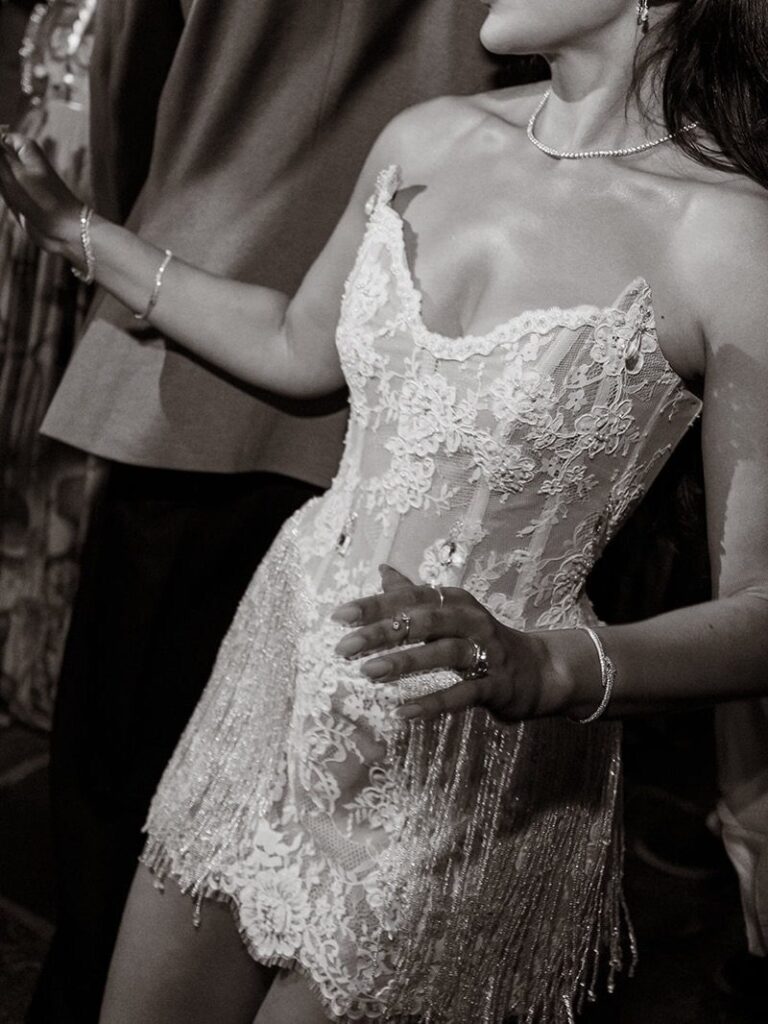
A short white party dress, a lace column, a feathered cocktail dress or a gown with a detachable overskirt all work here, and how long you plan to stay on the dance floor should decide which one you pick.
If the ceremony gown restricts your movement by the end of dinner, a second dress earns its cost; if it moves easily and the event is very formal, a detachable overskirt or a bridal cape gives you a change at a fraction of the price.
1. Elegant Long-sleeved Dresses
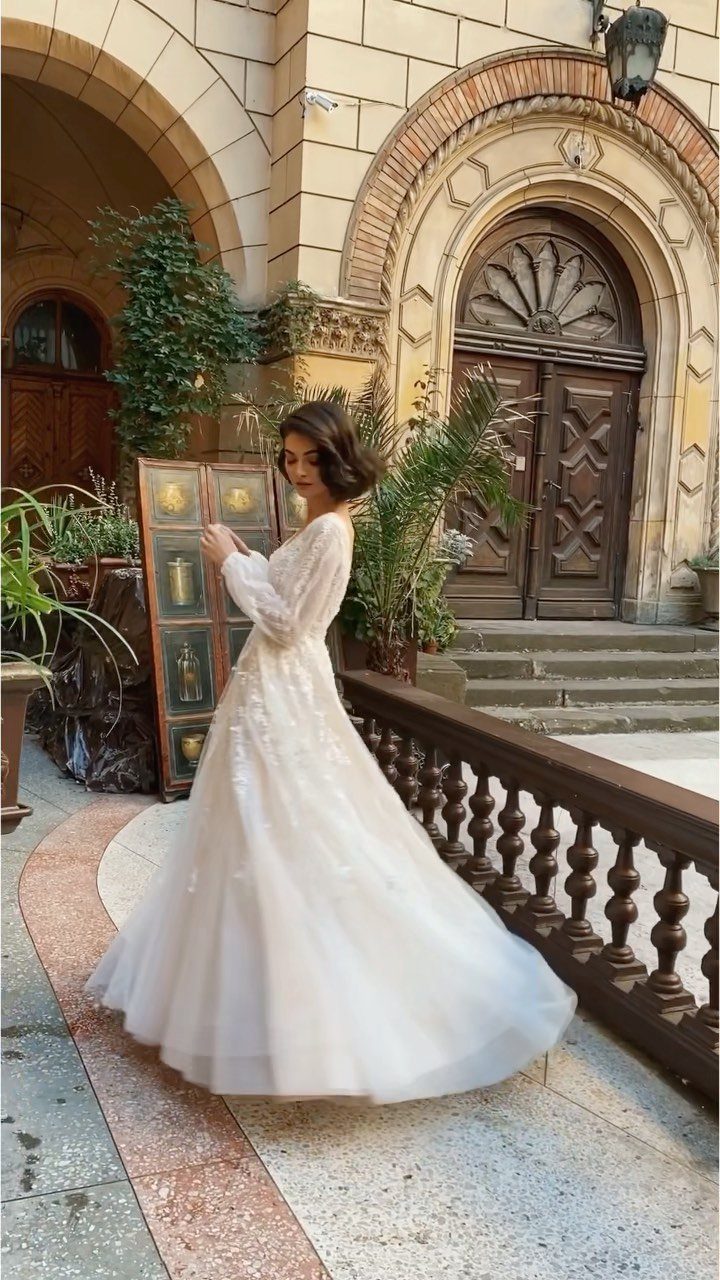
A long-sleeved gown earns its elegance from the sleeve itself, so check the fit through the shoulder and upper arm before anything else. If you can’t lift your arms to hug a guest, it’s the wrong dress for a reception.
I’d keep the rest of the design plain: a clean, floor-length column or A-line lets the sleeves do the work. Pick it when comfort and polish matter equally to you.
2. Boho Reception Dresses
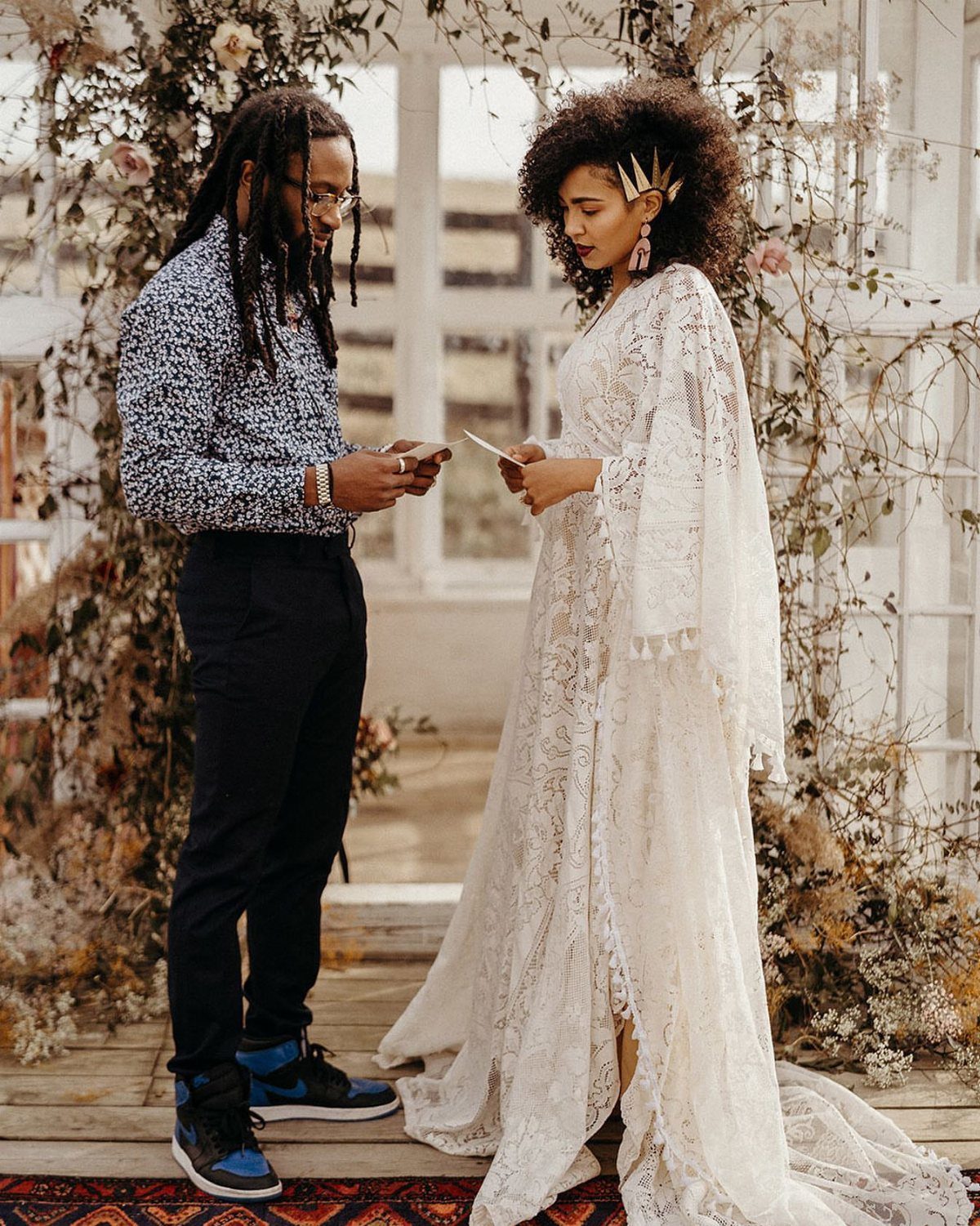
Lace is what makes a boho dress read as relaxed rather than formal, and a long, soft skirt keeps it easy to move in. Choose a lace that feels light against your skin, since you’ll wear it for hours.
I like pairing it with loose waves and a few real flowers instead of a heavy veil. If you want comfort without giving up romance, this is where I’d start.
3. Pink Wedding Reception Dresses
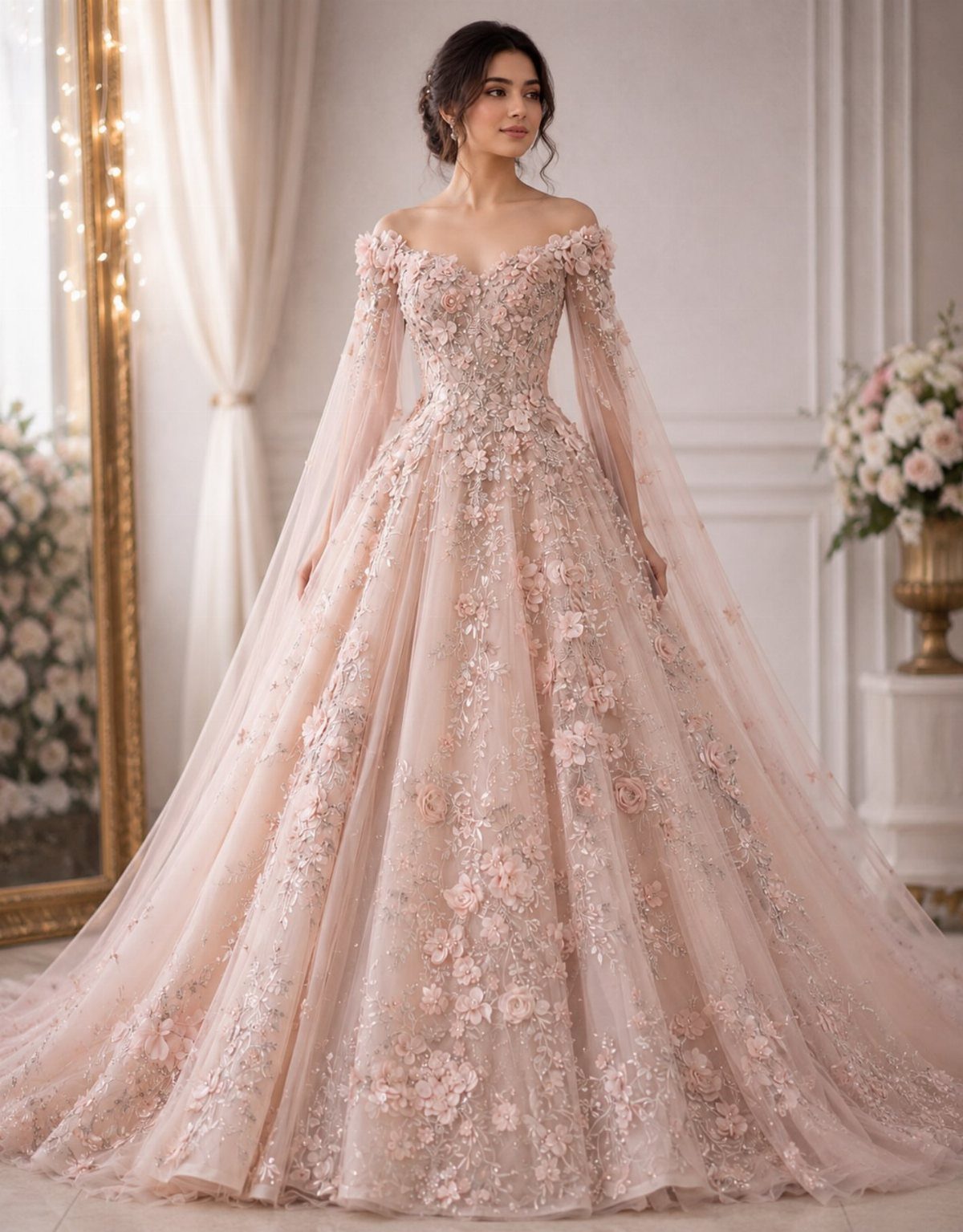
Pink is the quickest way to make a second dress feel like a different night entirely.
Floral appliqués and sheer long sleeves add texture and cover your arms without adding the weight of a full skirt, which matters once the dancing starts.
Hold a fabric swatch against your skin in daylight before you order, because pink can turn flat or sallow under reception lighting.
4. High-low Statement Dresses
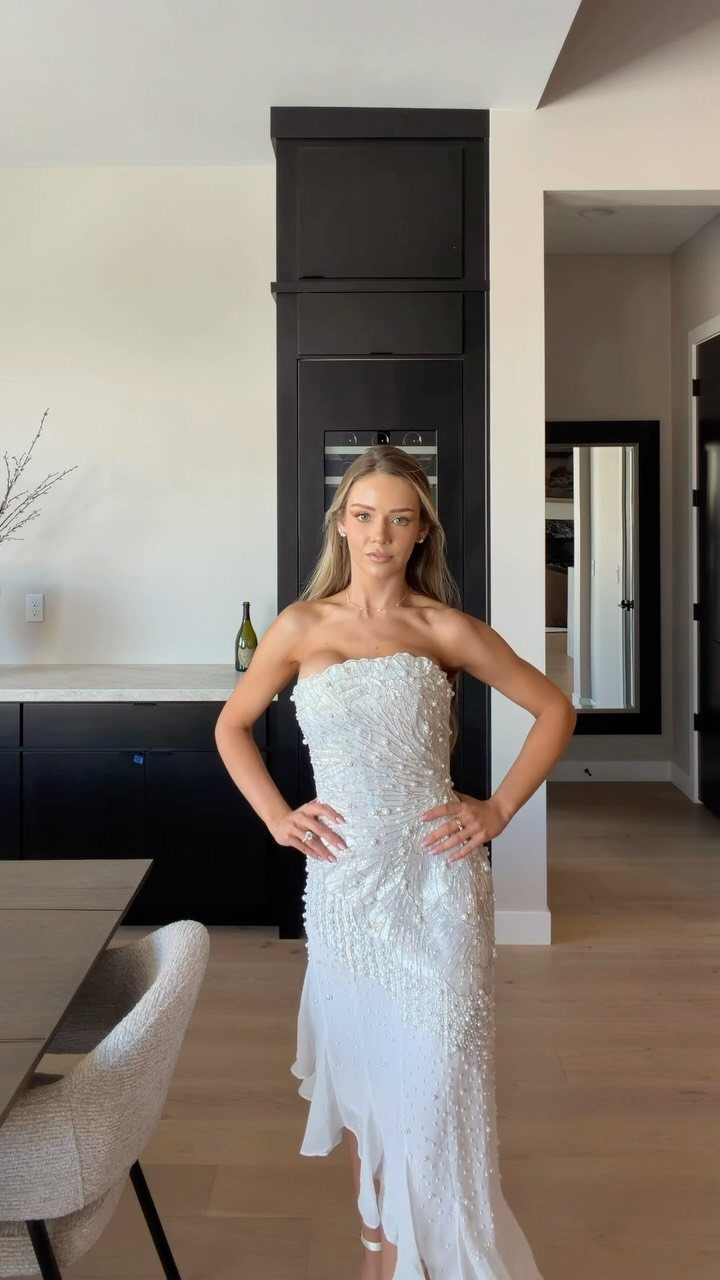
Short in front and long behind, a high-low hem solves 2 reception problems at once: you can dance without gathering a skirt, and you still get a sweep of fabric in photos.
A strapless bodice with beading gives it the high-fashion edge.
Test the back length before you buy. A train that lands underfoot on the dance floor defeats the purpose, so walk and turn in it.
5. Short White Reception Dress
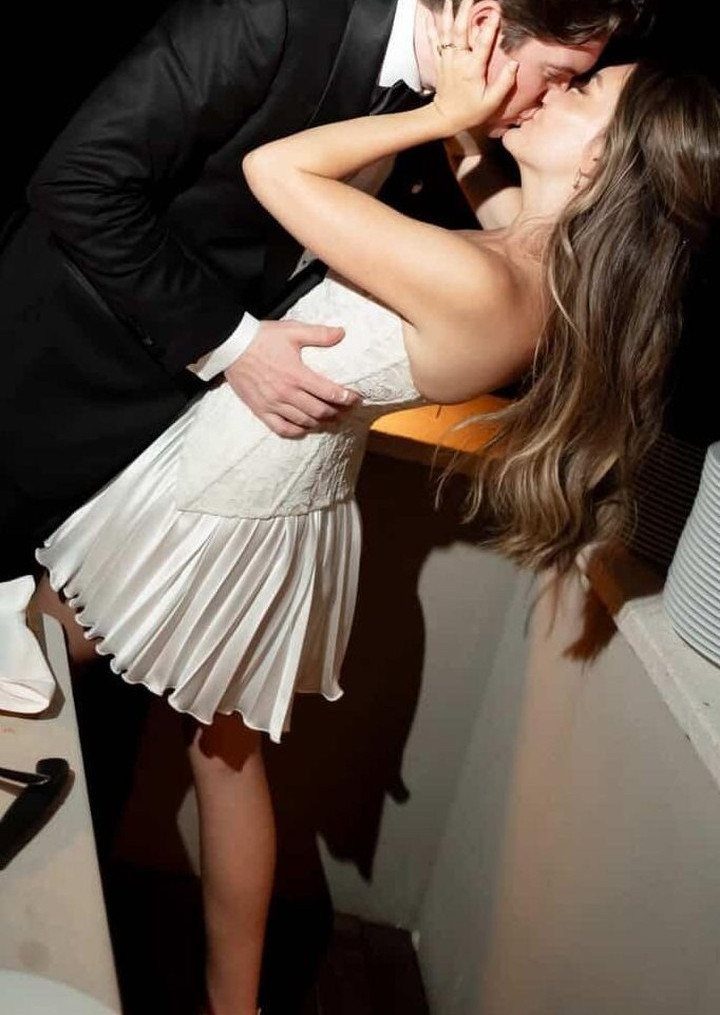
Short and white, this is the dress I’d pick for a reception that is really a party. Pleats add movement without bulk, so the skirt swings when you dance.
You can skip the hemline worries and the bustle entirely. Pair it with comfortable heels or flats and wear it from cake cutting to the last song.
6. Sparkly Wedding Reception Dresses
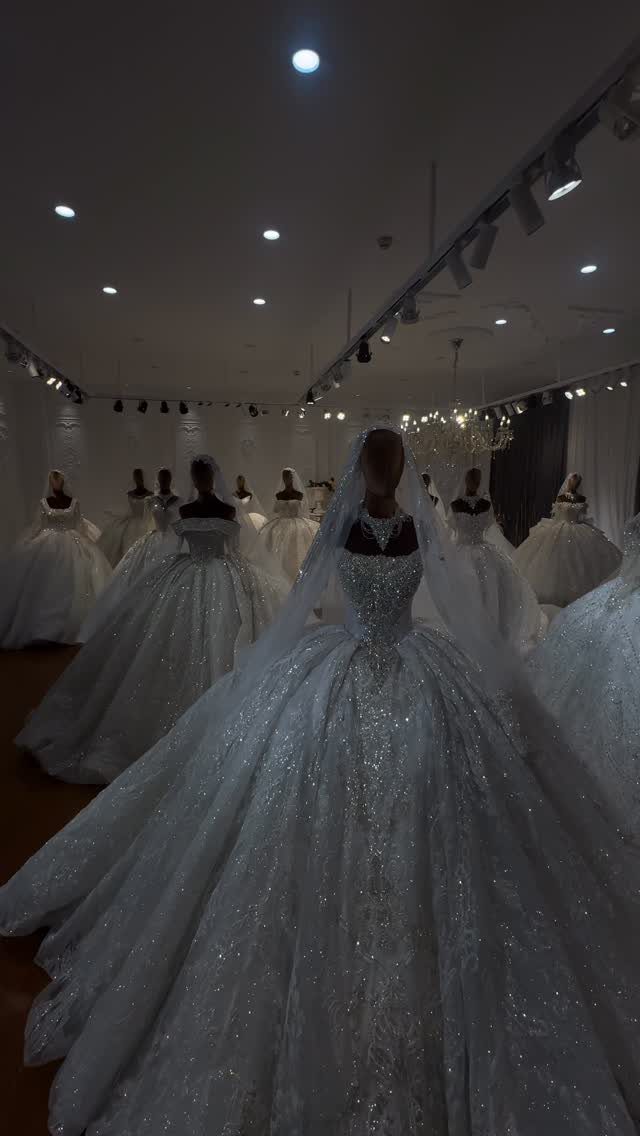
Sequins catch every light in a room, so a sparkly gown does half the decorating for you. A full ballgown skirt with shimmer is the dramatic version, and it suits a reception you want to feel like a celebration.
Try it on and sit down, because sequined fabric can scratch and weigh more than it looks. If the skirt is heavy, a lighter shimmer in tulle is my pick for dancing.
7. Modern Wedding Reception Dresses
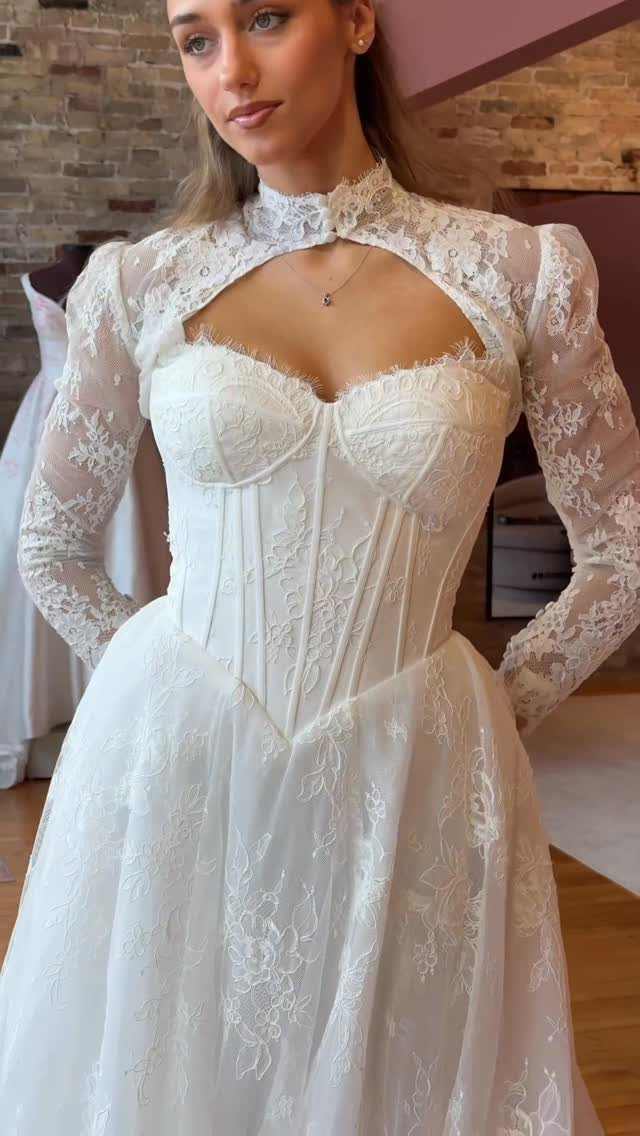
A corset bodice with a cutout neckline is a dare, and it works best when everything else stays quiet. Lace sleeves and a clean skirt keep the daring in one place.
Sit, hug and raise a glass in it before you buy. A corset that digs at the ribs will end your night early, so ask for a fitting that includes a full dance.
8. Lace Reception Dresses
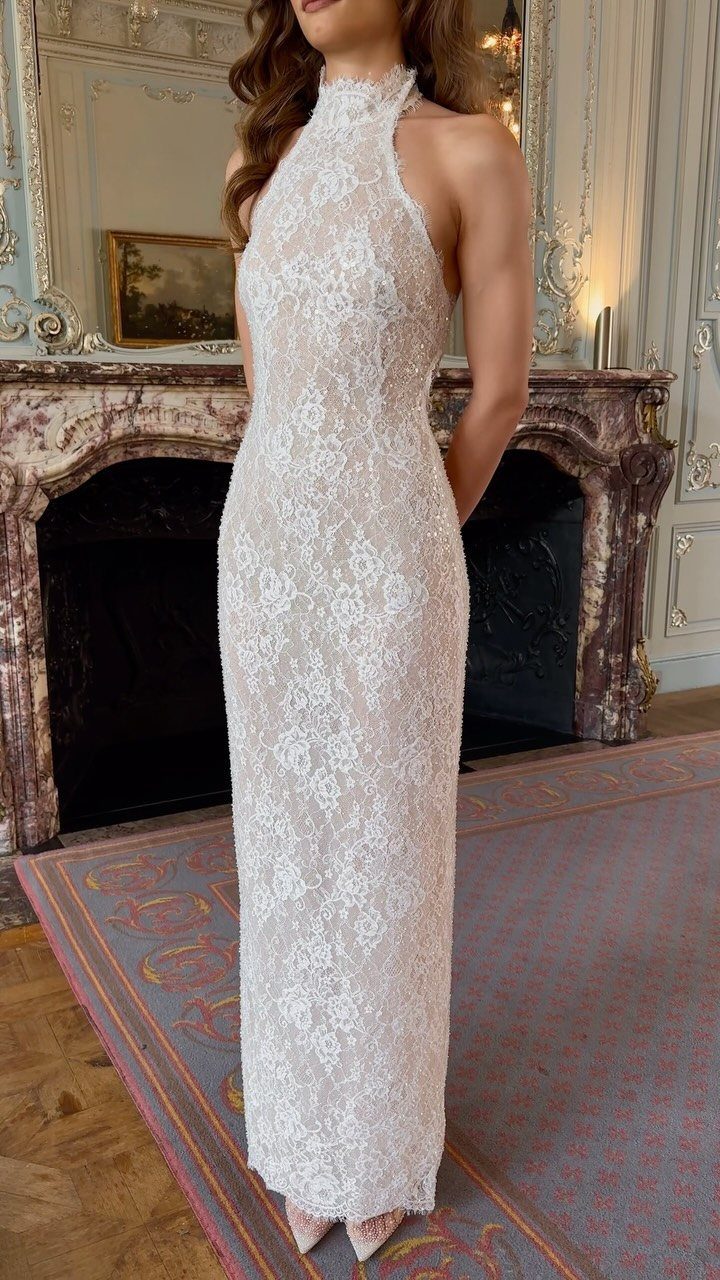
Lace in a halter-neck cut feels graceful because it frames the shoulders and leaves the arms free. That freedom matters at a reception, when you’ll be hugging and dancing for hours.
Check the halter closure at the back of the neck, since it carries the weight of the gown. I’d choose a soft, light lace over a stiff one, and I’d keep jewelry minimal so the neckline stays the focus.
9. Cropped Two Piece
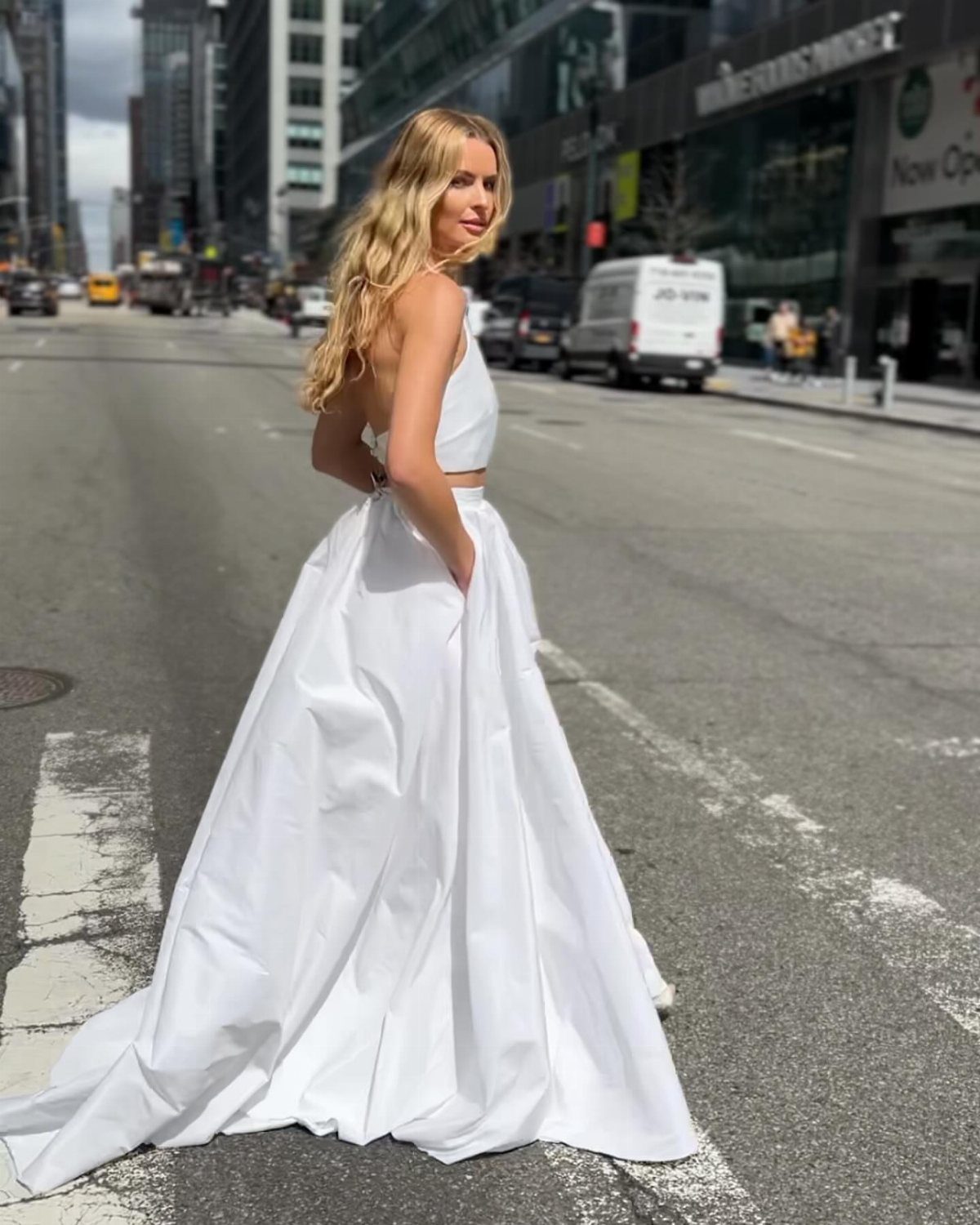
A cropped top with a full skirt looks like a casual outfit and photographs like a gown. 2 pieces mean you can wear the skirt again, which helps a budget.
Pick a waistband that sits high enough to keep the gap between top and skirt tidy when you raise your arms.
Fabric in matching white keeps the set looking intentional. For a relaxed reception, this is the one I’d pick.
10. Feathered Cocktail Dress
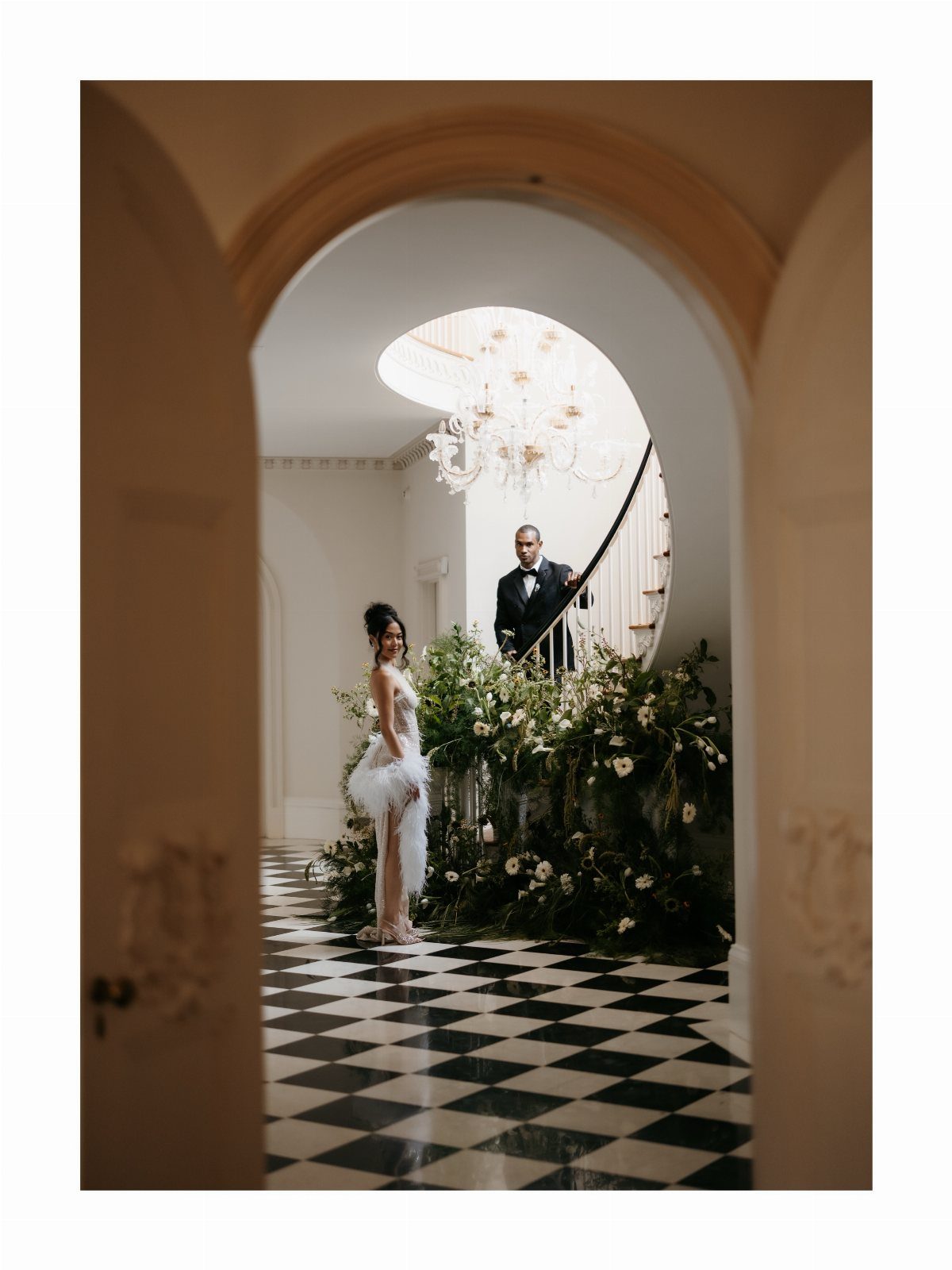
Feathers make a short white dress move, so it suits a reception built around dancing and a good photo in the entrance hall.
Shedding is the risk, so shake it gently and look at the hem and neckline before you commit.
I’d keep shoes and jewelry simple. The dress is already the party, and a short hem with feathers is easy to walk and spin in.
11. Bridal Cape and Slit Skirt
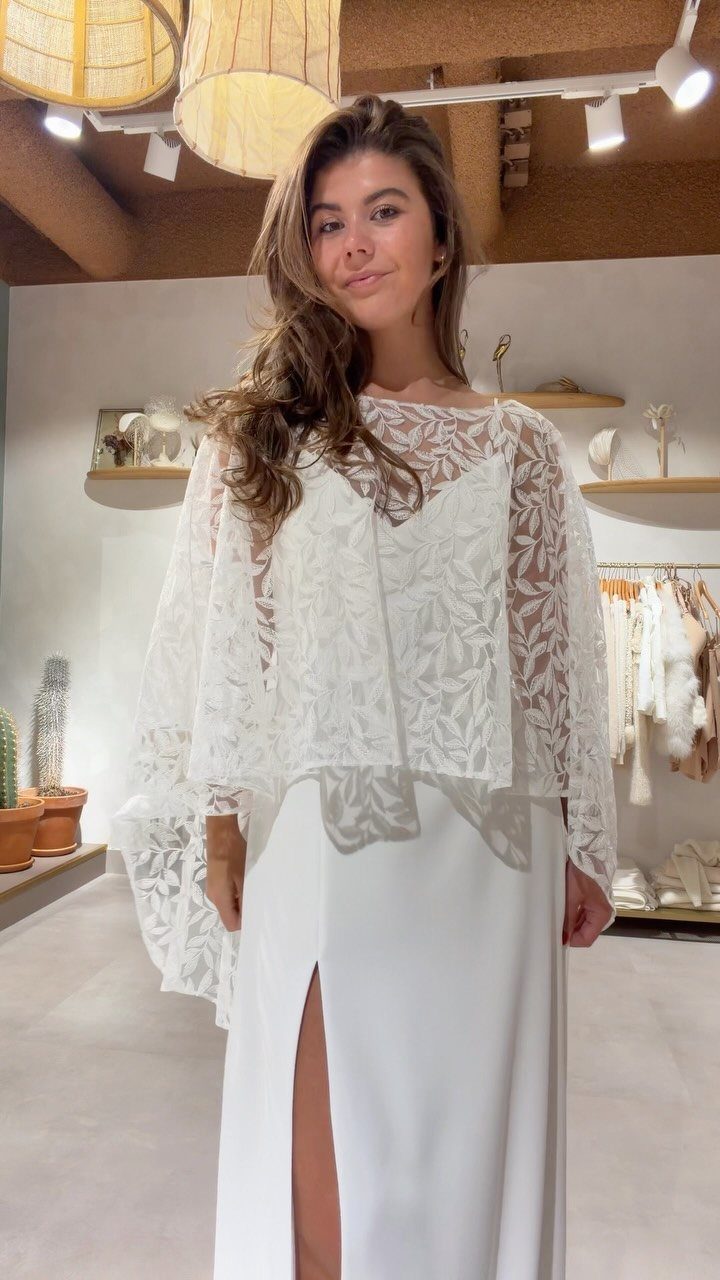
A lace top with an attached cape and a floor-length skirt with a high slit gives you drama up top and ease below. The slit lets you take full steps, so the skirt never holds your stride.
Ask how the cape sits on your shoulders when you move, because attached layers can pull. Try the set with the shoes you’ll wear, since a high slit shows them off.
12. Detachable Overskirt Wedding Dress
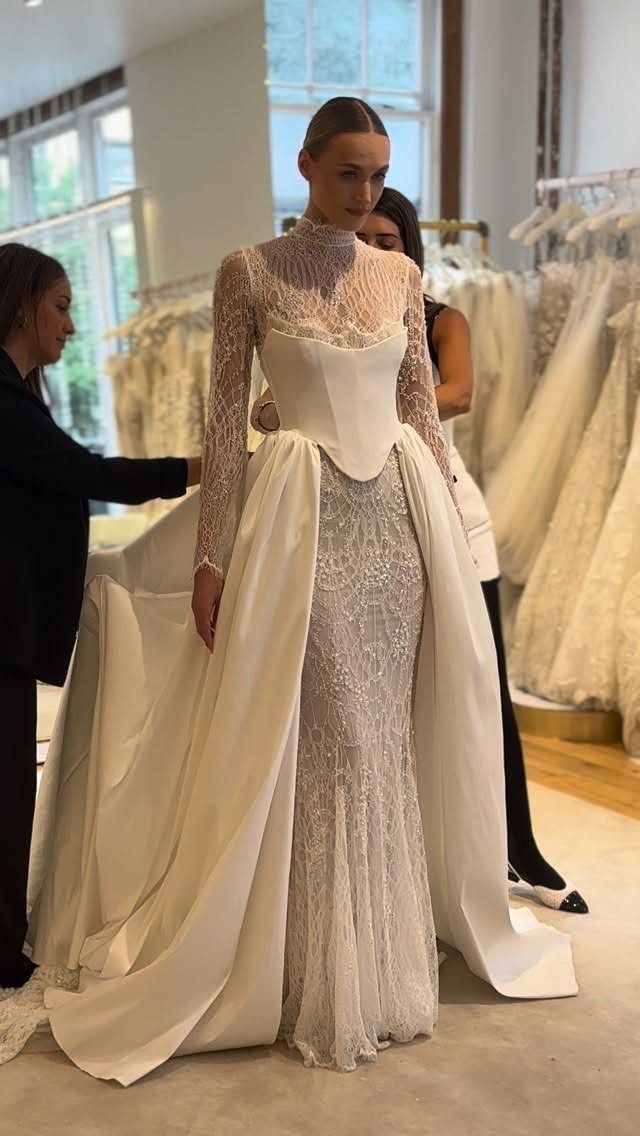
A detachable overskirt gives you two dresses in one purchase: full and formal for the ceremony, then slimmer once it comes off. That’s why I like it for brides who want drama and a comfortable reception.
Practice the removal before the day, ideally with whoever will be helping you, so nobody is hunting for the hidden snaps while the DJ stalls.
Ask the seamstress how the overskirt fastens, and confirm the dress underneath looks finished on its own.
When to Change Into a Second Dress
No rule sets the timing, so let the schedule and the mood of the night decide.
Changing right after the ceremony gets you into lighter fabric before cocktail hour, and you spend the whole party comfortable.
A change after dinner, or right before the dance floor opens, gets the best reaction from guests, since the ceremony bride walks back in as a different person ready to party.
If I had to pick, I’d change just before the first dance when dinner is a sit-down meal, since you’re not dancing yet and the reveal lands in front of everyone. For a casual day, change early and enjoy it.
Build in time for the swap, and decide who helps you, before the timeline is locked.
Do You Need a Second Dress?
No, you don’t have to have one. A second dress is a choice, and it only earns its place if your ceremony gown is holding you back.
Ask yourself 3 questions: how formal is the event, how easily can you move in the main gown, and do you want a different silhouette, fabric or detail for the evening?
If the answers are "very formal," "easily," and "not really," stay in one dress and put the money elsewhere.
A second look adds cost, and the ceremony gown gets worn for a shorter stretch of the day. If your budget is tight, that is a fair reason to skip it.
Choosing the Right Second Dress
Start with how the ceremony gown feels by the end of dinner. Whatever bothers you there, whether weight, a tight bodice or a long skirt, is what the second dress should fix.
Then pick one thing to carry over and one to change. Keep a fabric, a color or a detail so the two look like the same bride, and change the silhouette or length so the night feels new.
Choose comfort for dancing first. A dress that looks right but limits your steps will sit in the corner of every photo.
Expect a higher price tag, since you’re buying a second gown. Set that number before you shop.
Either makes a strong case for choosing your second outfit based not just on how it looks standing still, but on how it moves once the music starts.
— Vogue