The 9 ideas here run from a free, swaying first dance to a confetti toss exit that needs a call to your venue, and most cost little beyond time on the schedule.
Which ones earn a spot depends on what your families expect and what your crowd will enjoy, since a garter toss that thrills one room falls flat in another.
I would keep the list short: cap toasts at 3 or 4 speakers, add one or two cultural elements done well, and drop anything either of you hesitates over.
1. First Dance
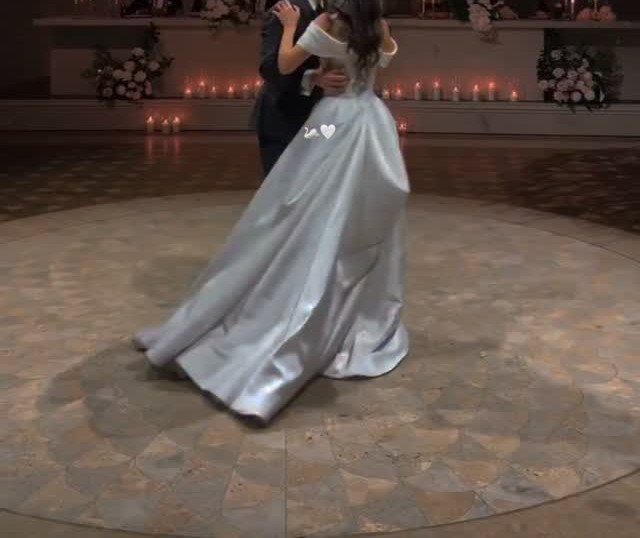
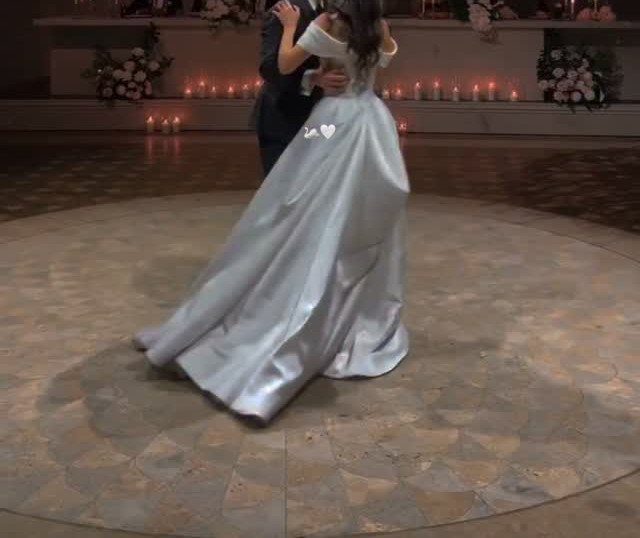
Candlelight and a circular floor tell you the first dance works best when the room around it is kept simple. Pick a song you can stand to hear all the way through, since everyone will be watching.
I would skip a choreographed routine unless you both love rehearsing. Swaying and talking quietly looks better than a stiff, memorized spin, and guests can tell the difference.
2. Cake Cutting
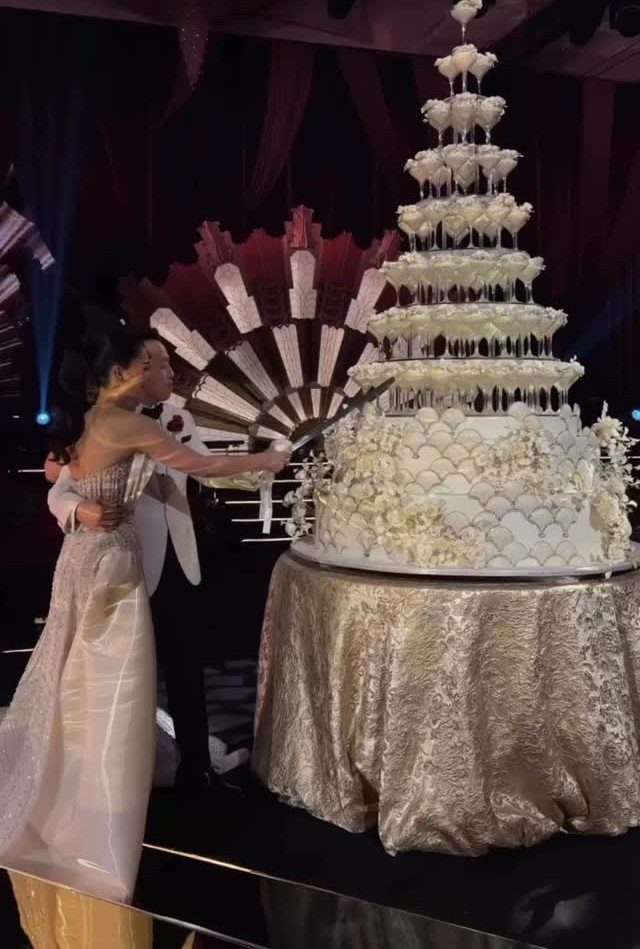
A tall white cake on a gold-clothed table gives you one clear moment to plan around: both hands on the knife, one cut, one bite. Ask your photographer to be ready, because it is over in seconds.
Cut a small piece from the bottom tier only, so the display stays intact.
The kitchen can slice the rest later. If budget is tight, a modest cake with a bigger look from fresh flowers beats a towering one.
3. Bouquet Toss
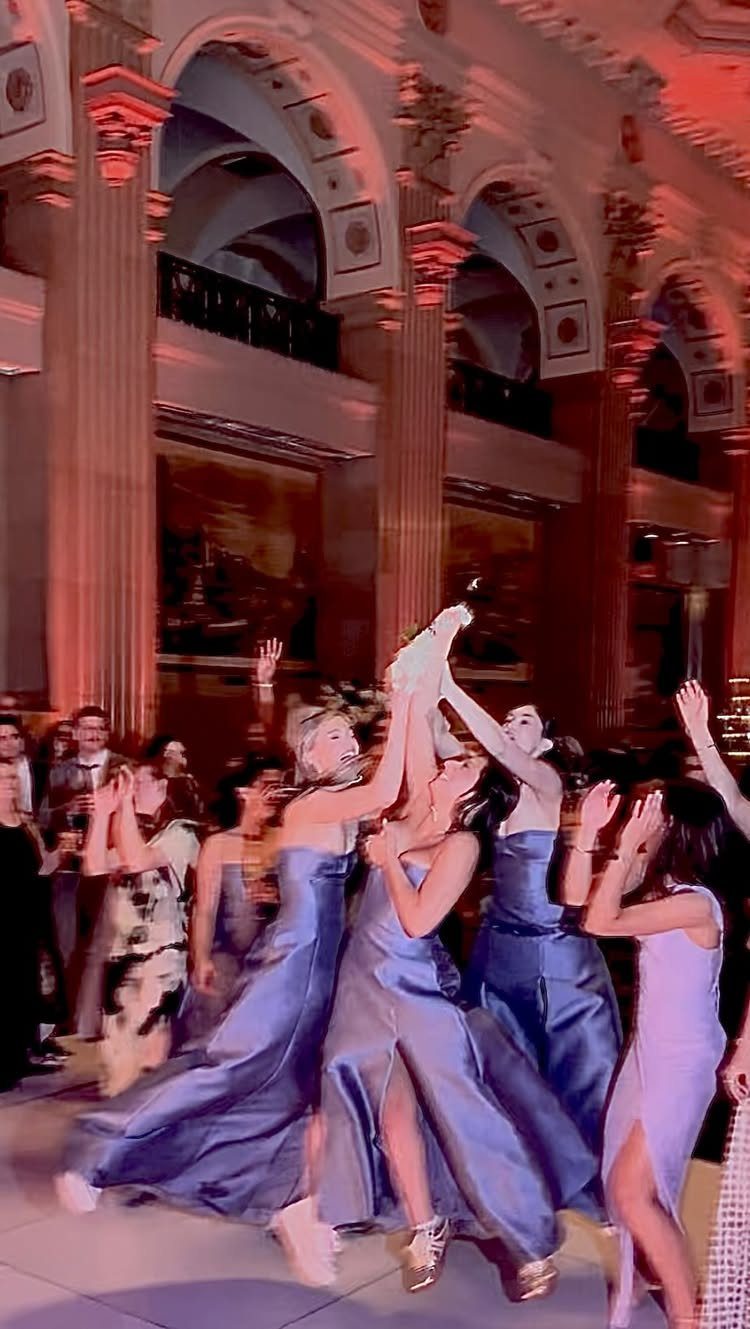
Tossing the bouquet is a quick, loud, easy-to-stage tradition: the bride turns her back, throws, and single guests crowd in to catch it. A big, open floor helps, and a ballroom has plenty.
Have the DJ call the group up so nobody feels dragged forward.
Order a smaller toss bouquet if you want to keep your full one for photos. I would make it optional, and skip it if your crowd would rather stay seated.
4. Toasts
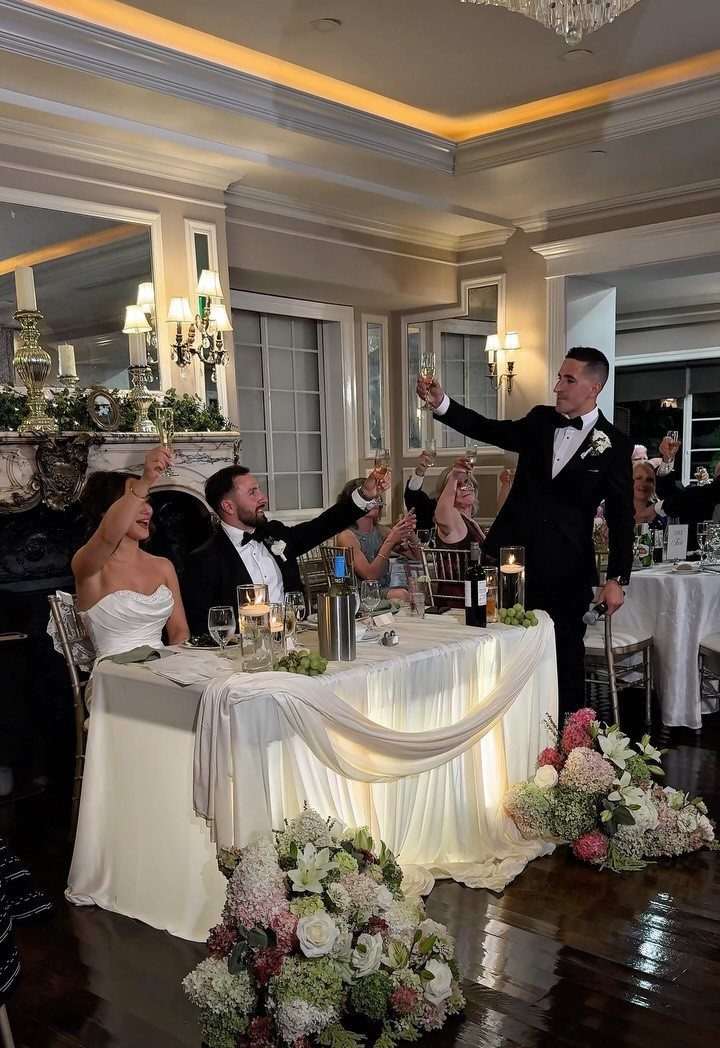
Ask each speaker to keep it short and to write it down instead of improvising.
Settle the order ahead of time, and have the DJ or emcee introduce each person.
Make sure every guest has a full glass before the first word, so the raise happens together. I would cap the list at 3 or 4 speakers.
5. Cocktail Hour
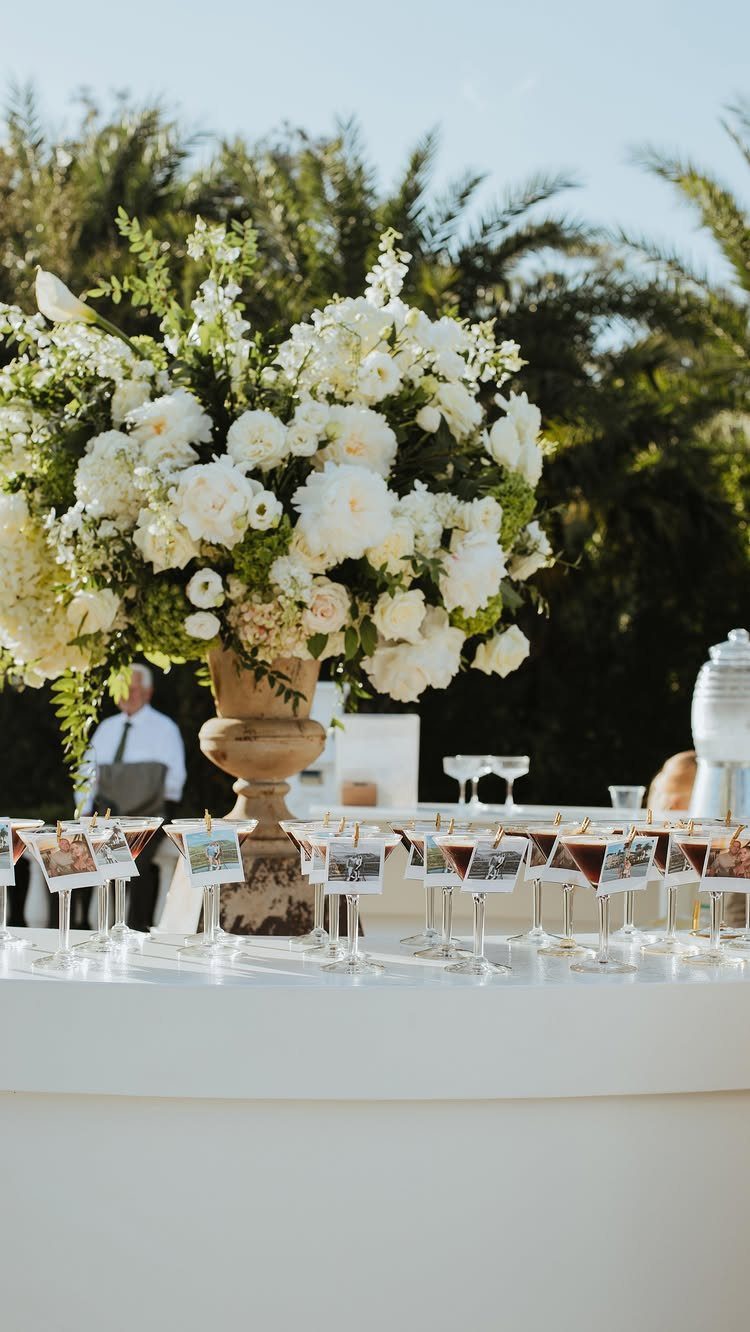
White florals in a stone urn, rows of small cocktails with garnishes, and appetizers in glasses: a cocktail hour is where guests mingle while you take photos.
Leave enough time in the cocktail hour for your couple portraits to fit inside it.
On a tight budget, serve 1 or 2 signature drinks instead of a full bar. Small glasses of food are easy to hold and need no plate or fork, which keeps guests mingling.
6. Confetti Toss Exit
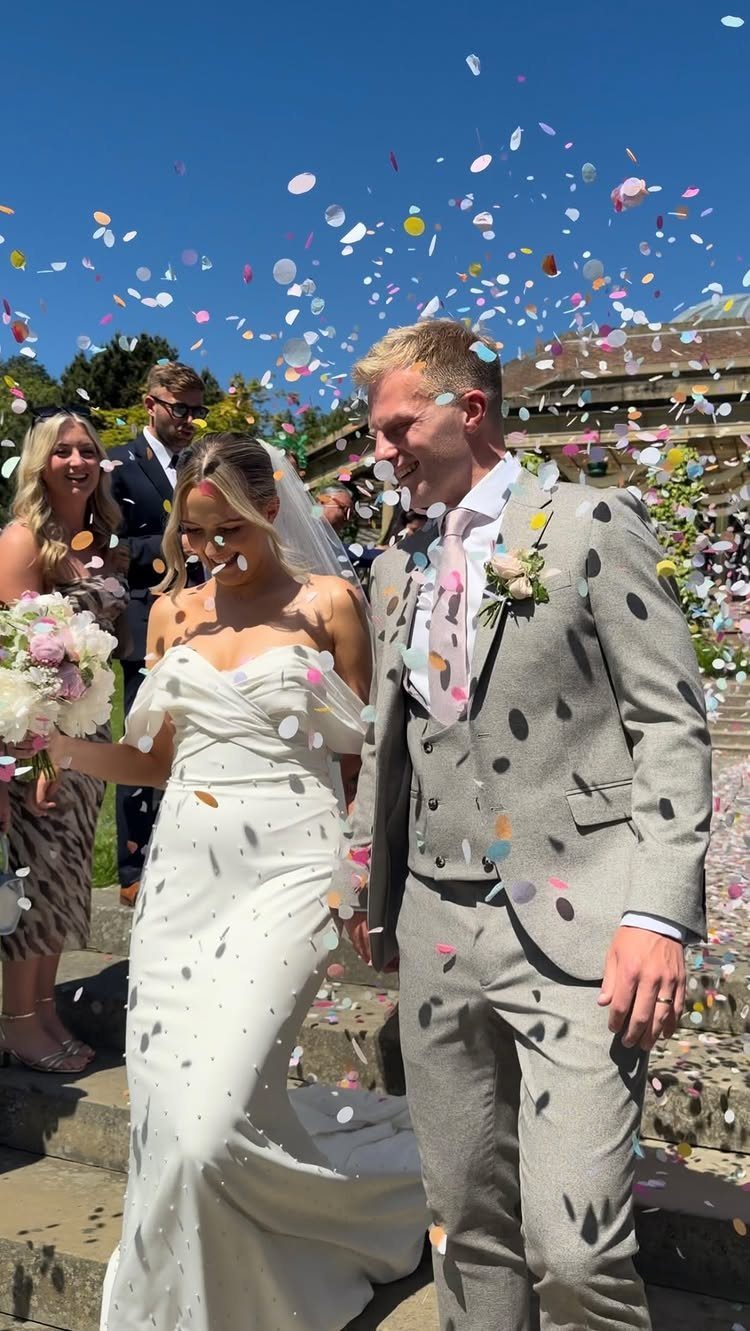
Colorful confetti thrown by guests as you walk out makes a bright last photo, and it costs very little. Hand out cones or small bags near the exit, and have a bridesmaid or the DJ cue everyone to line up.
Check your venue first, since many ban confetti outright or only allow certain types. Biodegradable paper is the version I would ask about, and a stone building like this one often has cleanup rules.
7. Garter Toss Tradition
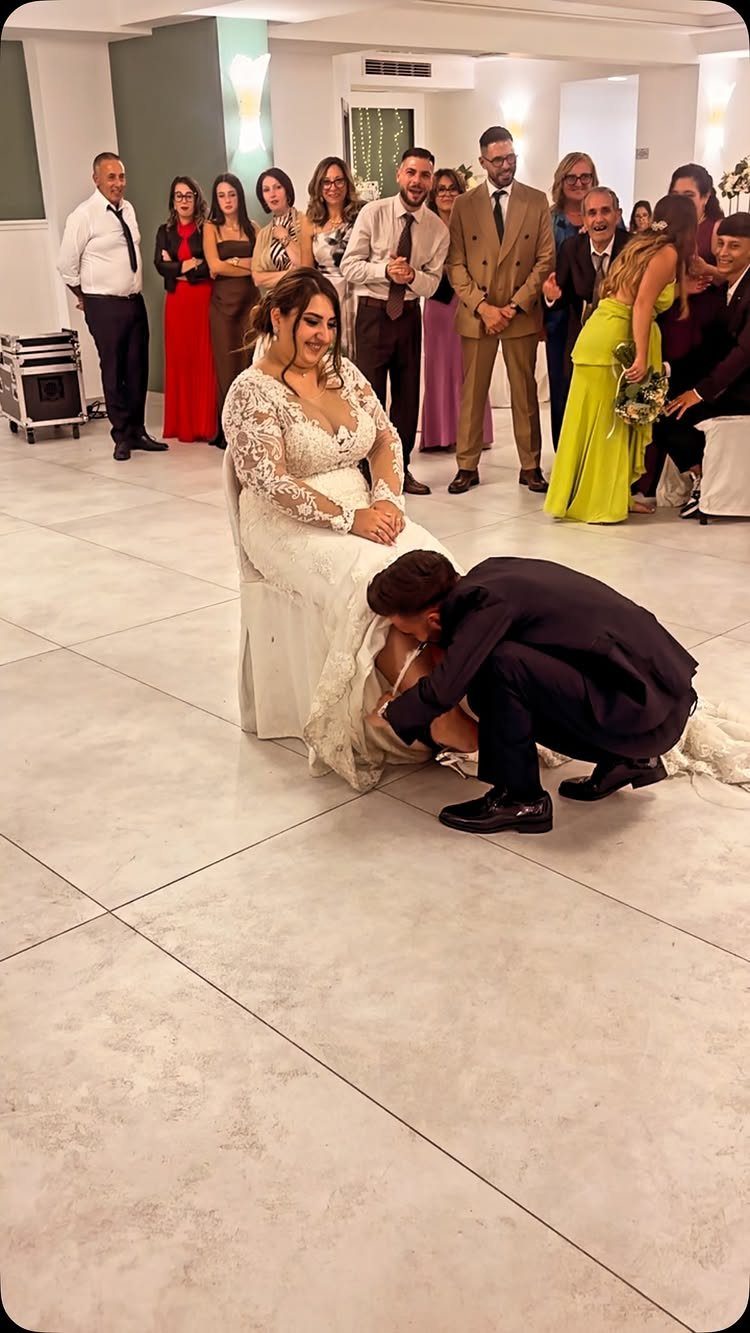
Kneeling to remove the garter, with the bride seated and guests gathered close, is a bit of theater that works best with a crowd that knows you well. Ask your emcee to announce it so nobody is caught off guard.
I would talk it through with your partner first, since some brides love the attention and others would rather skip it. Keep it brief and light, and drop it without guilt if either of you hesitates.
8. Dinner
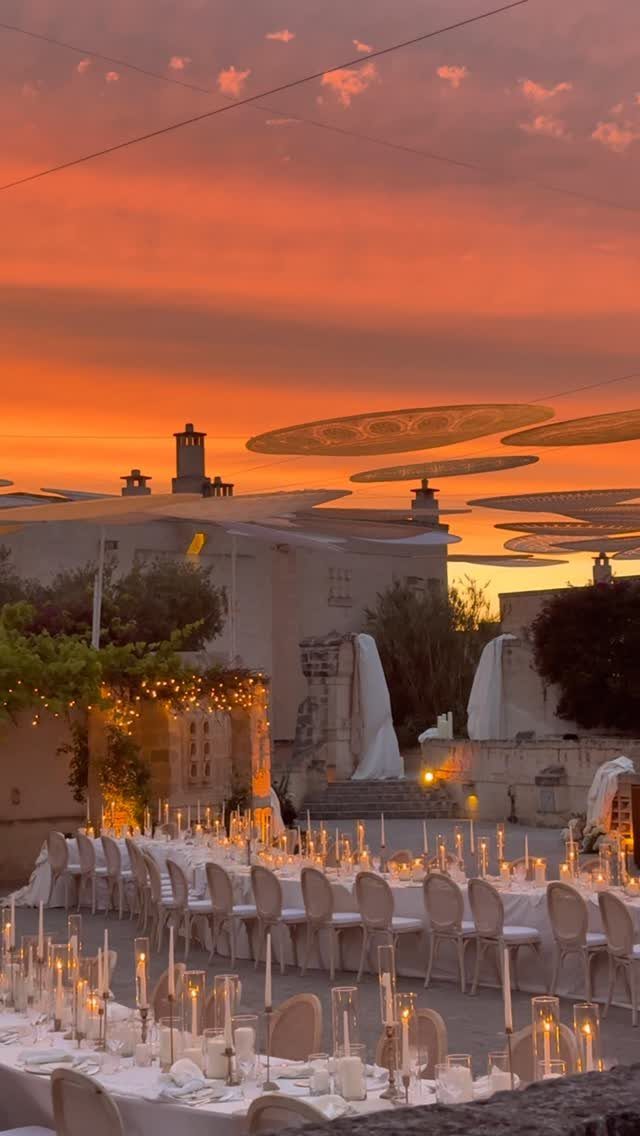
A long table dressed in white linens with candles down the middle turns dinner into the quiet center of the reception. Candles and string lights do most of the decorating, so you can spend less on flowers.
Time the meal for golden hour if you are outdoors, and light the candles just before guests sit.
I would keep the table to one long run, because it feels shared and unhurried. Check the venue’s candle rules early, since some require enclosed flames.
9. Custom Décor
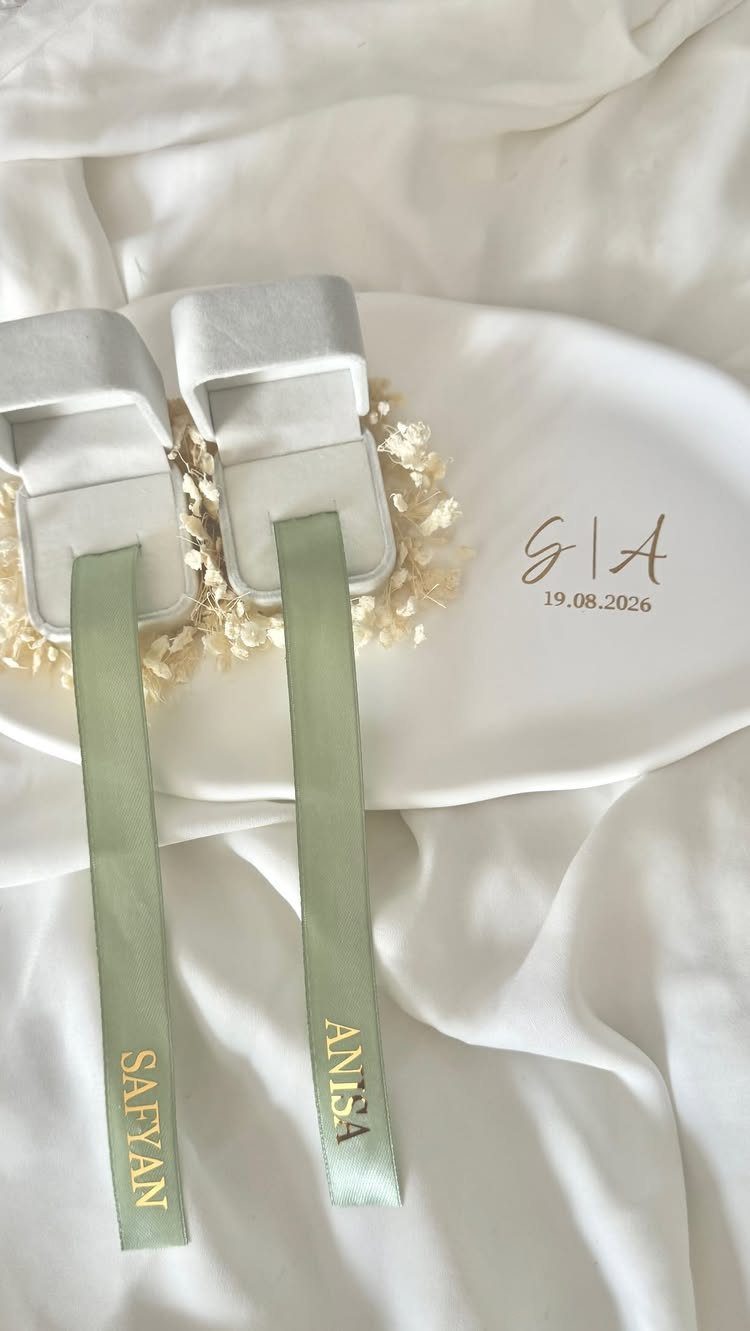
Personalized ring boxes with each partner’s name on the ribbon, plus the wedding date on a tray, are small custom touches that cost little and photograph well. Ordering them early matters because printed pieces need lead time.
Check every spelling and the date against your invitation before approving a proof. I would pick one or two custom items and keep the rest simple, so the details read as deliberate instead of crowded.
Wedding Reception Order of Events
The reception is the long party after a short ceremony.
It can start the minute the vows end or hours later, and it sometimes moves to a second venue. If there is a gap, use it for portraits and to let guests travel.
A common order runs like this:
- Cocktail hour
- Grand entrance
- First dance
- Toasts
- Dinner
- Cake cutting
- Open dancing
Food can be anything from a light spread of snacks to a plated dinner, and I’d settle that first, because it decides how long the rest of the night runs.
A receiving line, where the couple greets each guest in turn, is another old custom that still turns up. Decide early whether you want one, because it takes time from the schedule.
Write the order on one page and hand it to your DJ, caterer and photographer.
Modern Twists on Traditions
Putting a personal twist on a tradition costs nothing, and it makes the ceremony sound like you.
A unity sand vase works the same way and leaves you something to keep.
A registry lets guests choose gifts you picked ahead of time. Choose a store that suits your budget, and include items at several price points.
Seeing each other before the ceremony is common now, since many couples plan the day side by side. It also frees up time for portraits before the reception.
If you plan a send-off toss, ask your venue about biodegradable options. Paper confetti, glitter and sprinkles were once popular, but environmental concerns have pushed many couples toward natural materials.
Cultural Variations
Start with the customs your families already expect, then pick the ones that fit your reception.
Ask relatives which traditions matter most to them, since a custom that means a lot to a grandparent is worth a few minutes on the schedule.
Many customs people treat as standard, like flower girls, bridesmaids and the bouquet catch, have origins worth reading about. Learning where a custom comes from lets you explain it to guests in a short line from the emcee.
Hotels, banquet halls, tents, restaurants and family homes all host receptions, so I’d pick the space that fits the rituals you plan to include. Give any ceremony, dance or blessing room to happen without crowding the meal.
I would add one or two cultural elements well rather than several in a rush.
Frequently Asked Questions
How do you decorate for a wedding reception?
Candles and string lights carry most of the atmosphere for far less money than a big flower order.
How long should wedding toasts be?
Keep each toast short, and ask speakers to write it down rather than improvise.
Keep toasts to 3 or 4 speakers, and settle who goes in what order before the day. Fill every glass before the first speaker starts, so the whole room lifts together.
Can you do a confetti toss at any venue?
Often no, because plenty of venues prohibit confetti or limit it to specific kinds.
Ask first, and look into biodegradable paper, which is the version most likely to be accepted. Stone buildings often have cleanup rules too.