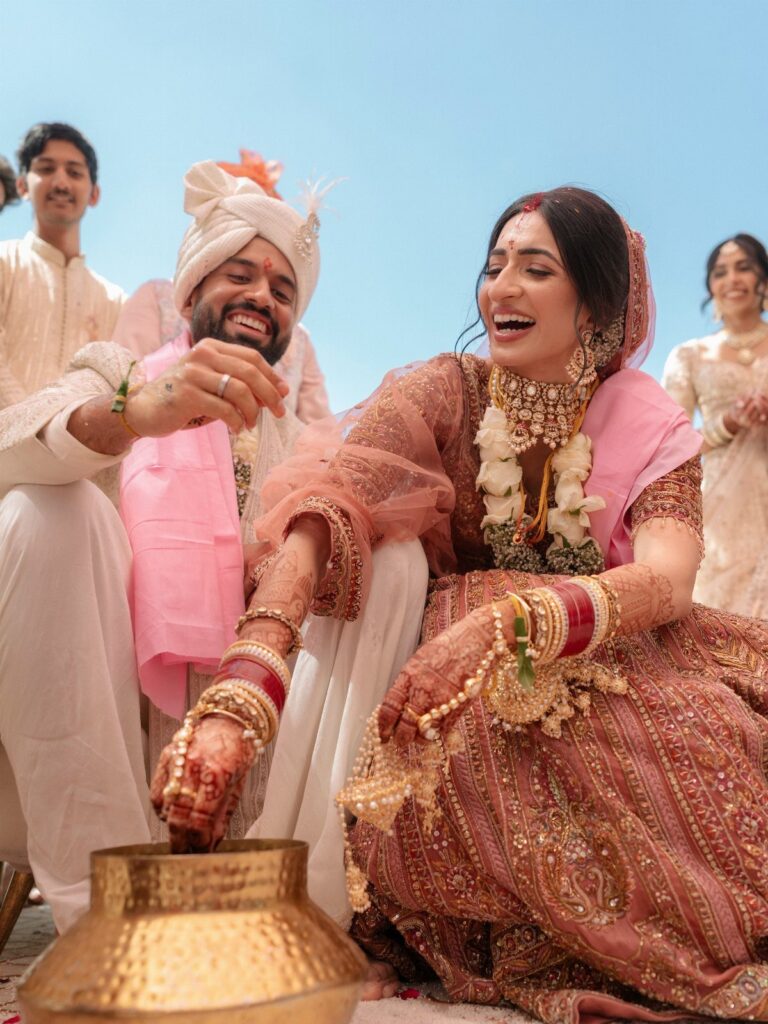
The list runs from a Yellow Outfit you can happily stain with turmeric at the Haldi to a Lehenga Choli with a heavy, flared skirt, with Anarkali, Sharara and Gharara sets and the red dupatta in between.
Settle the event schedule first, then match the Bridal Jewellery, the flower hairstyle and the shade to each outfit.
1. Lehenga Choli
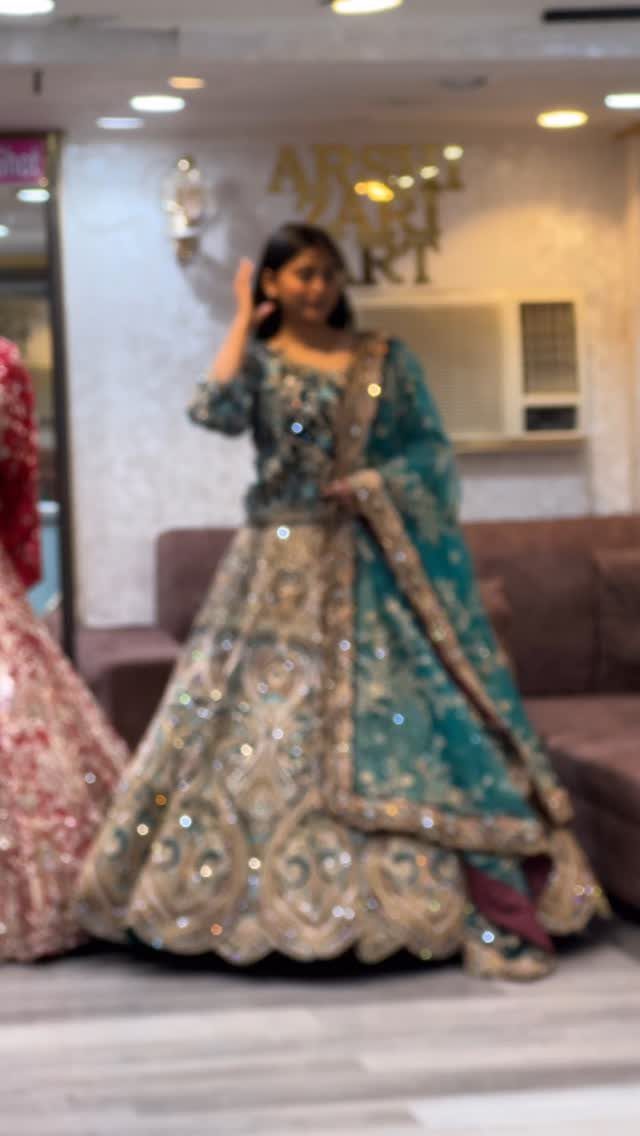
Expect 3 parts with a lehenga choli: a full, flared skirt, a close-fitting blouse, and a dupatta, the long scarf that drapes over the shoulder or head.
Order all three together so the embroidery matches, as it does in teal and gold here.
Pick the blouse fit with the most care, since it sets the whole silhouette. Plan fittings with room to spare before the date, and bring the jewelry you will wear so the neckline works with it.
2. Anarkali Set
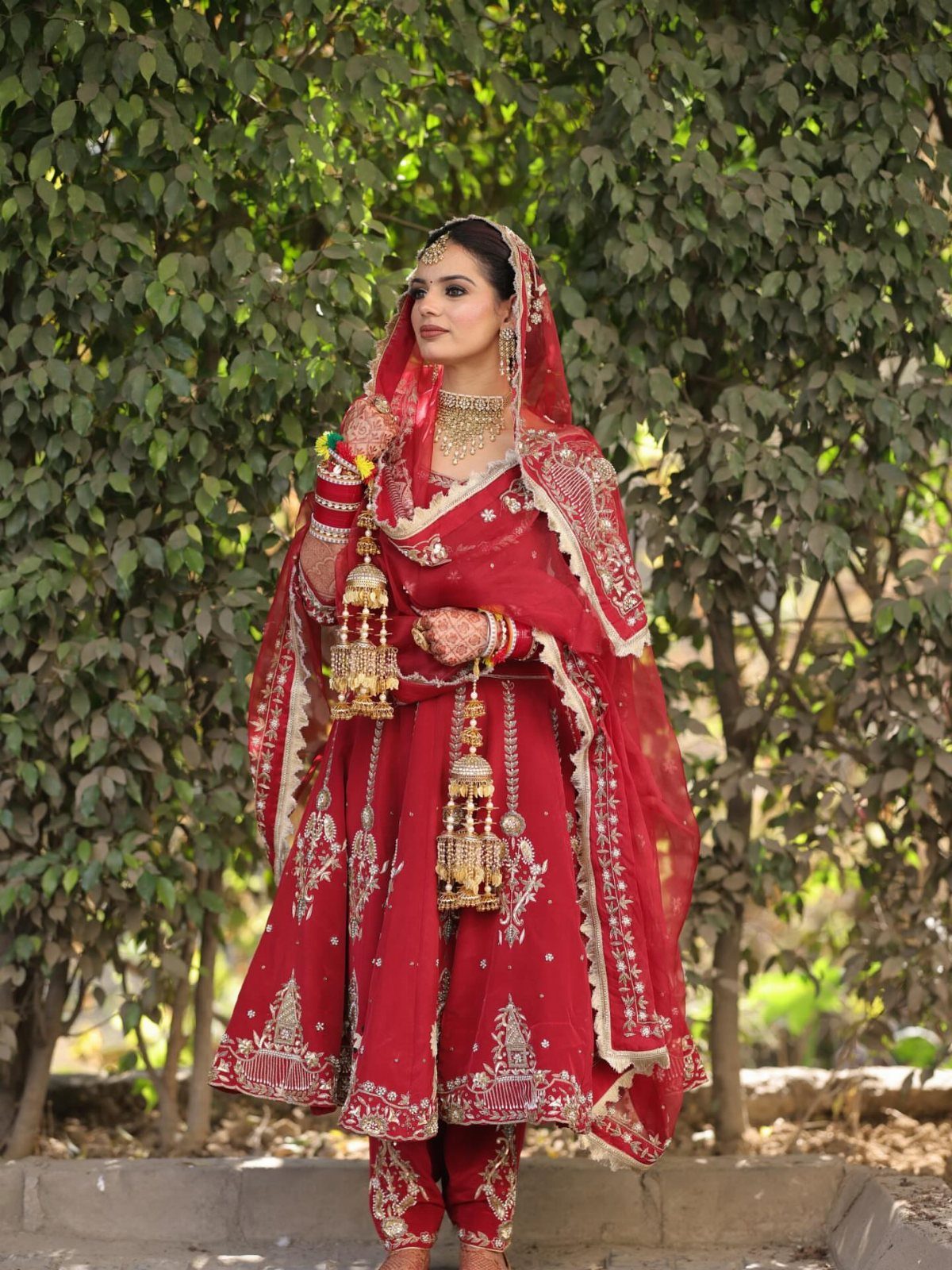
Floor-length and dramatic, an Anarkali set suits pre-wedding events better than the main ceremony, and I would choose it for exactly that.
An anarkali in red with gold embroidery still reads as bridal, and a veil plus full bridal jewelry makes that clear.
A lehenga needs a wide skirt, but an Anarkali falls in one long line, so it is easier to move, sit and dance in.
For a bride watching her budget, that makes it the one I would wear more than once.
3. Sharara & Gharara Sets
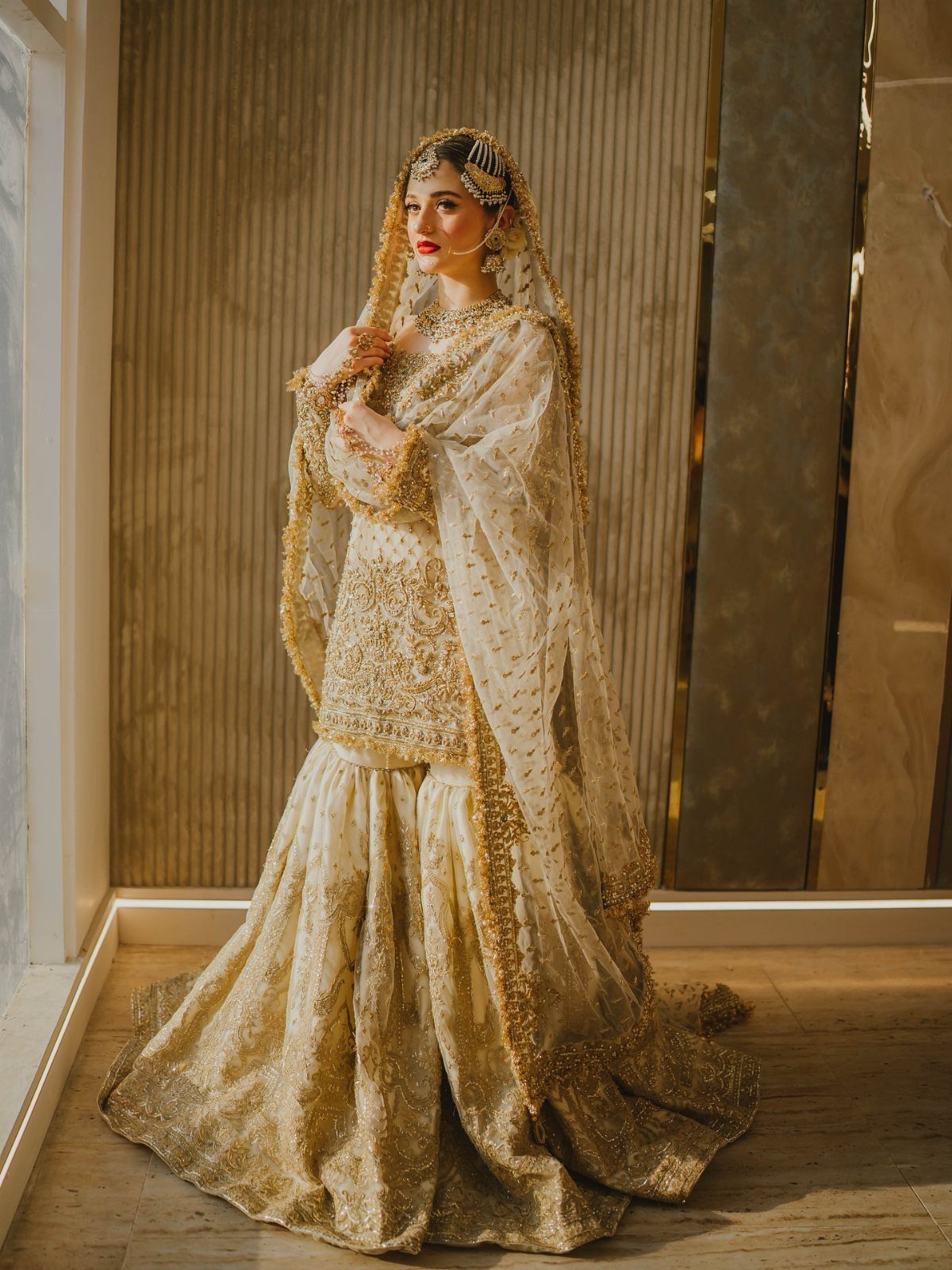
Flared pants set the sharara and gharara apart, and the look draws on Mughal style. A gold embroidered gharara with a dupatta feels regal without copying the lehenga everyone expects.
Choose this if you want a wedding outfit that stands out from the usual skirt. Keep the jewelry traditional, because the pants already carry the drama and the pieces should match their formality.
4. Traditional Red Dupatta
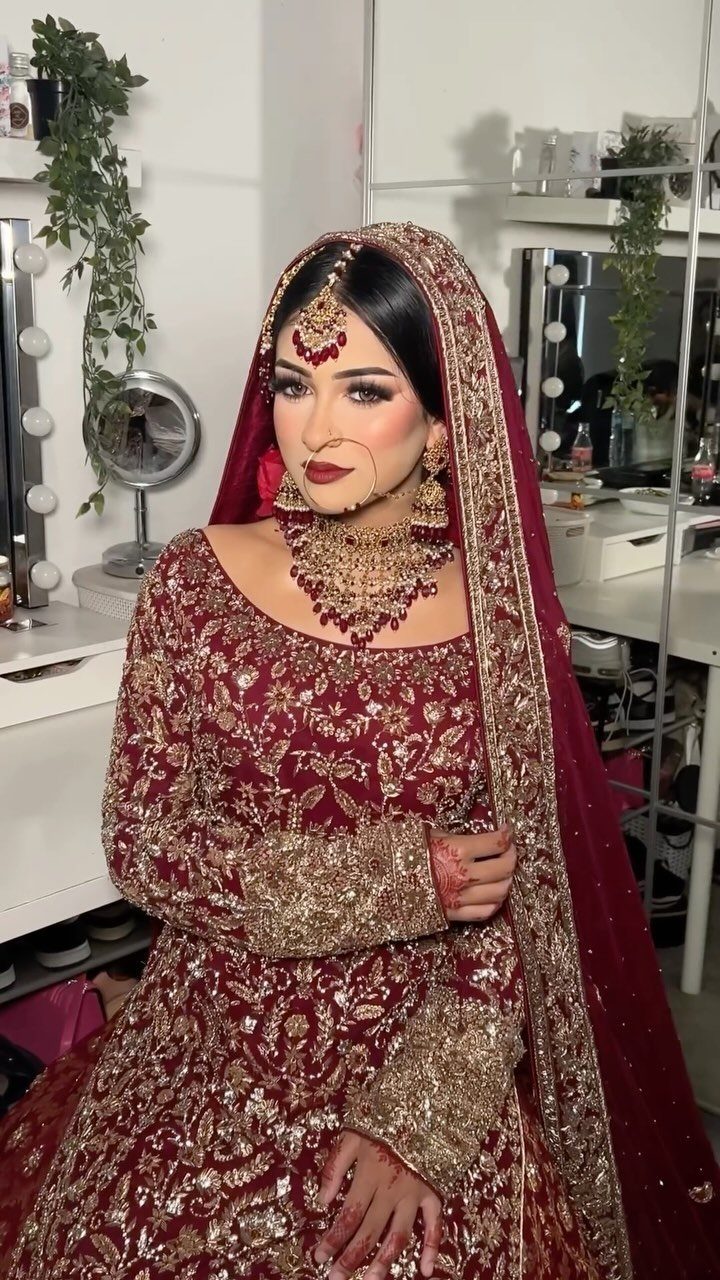
The red dupatta is the piece that says "bride," and it symbolizes marital bliss when worn over a lehenga. Maroon or red with heavy gold embroidery gives the strongest effect.
Spend your attention on the dupatta’s border and drape. Pin it so it frames your face and still lets you move, and test it with your jewelry before the day.
5. Yellow Outfits
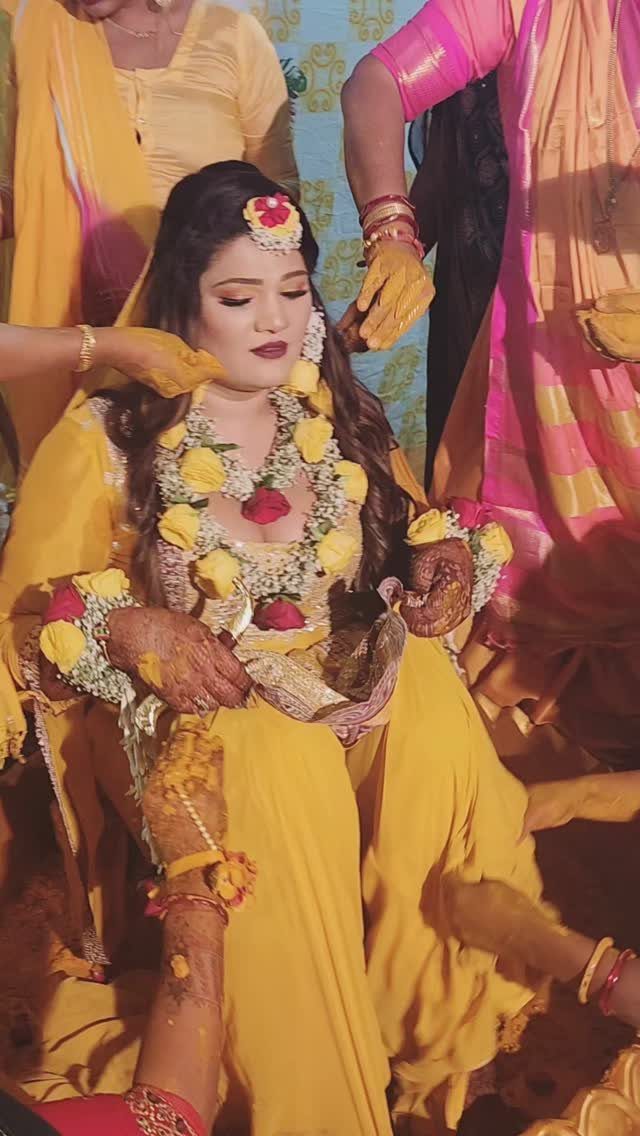
Yellow belongs to the Haldi ceremony, where it stands for purity and positivity. Turmeric paste will get on everything, so wear an outfit you are happy to see stained.
Add floral jewelry in place of gold; it suits the ceremony and keeps the look light. I like this as the one outfit where you can skip the heavy bridal pieces entirely.
6. Bridal Jewellery
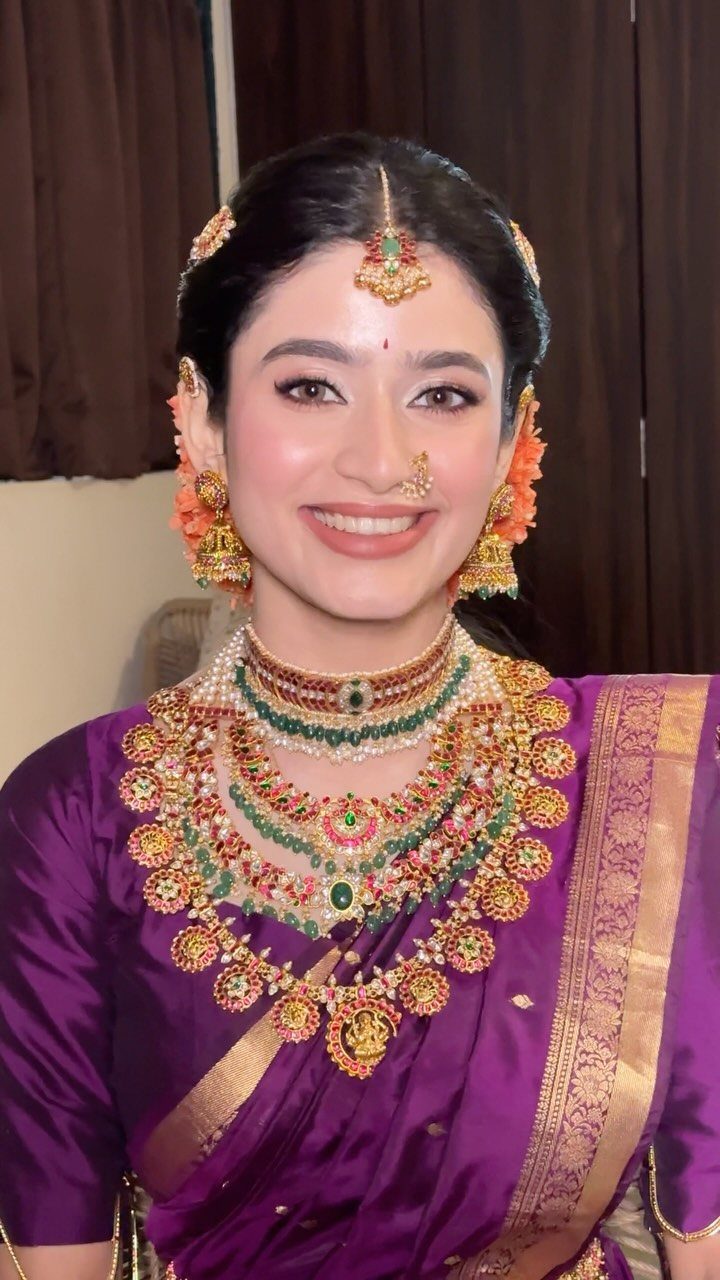
Bridal jewelry changes from region to region, so ask your family which pieces belong with your look.
A full bridal jewelry set usually means a necklace, earrings, a nose ring and a maang tikka, the pendant that hangs at the hairline, and gold with pearls or gemstones is the classic choice.
Choose your outfit first, then match the jewelry to it. Emerald tones stand out against a purple saree, while heavy sets need a simpler neckline.
7. Hairstyles Accessorized with Flowers
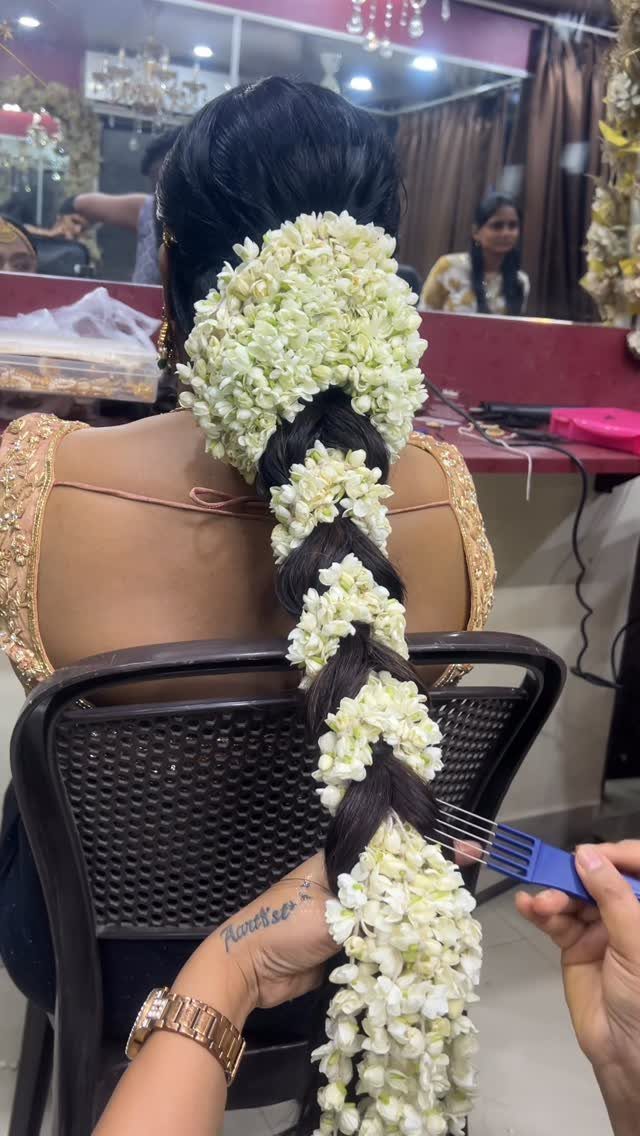
A long braid dressed with white jasmine is the version I would pick, because the flowers sit in the plait itself and follow its whole length.
Intricate styles like this are usually finished with flowers, so plan them together rather than adding blooms afterward.
Book a stylist who works with a braid and flowers, and bring a photo of your outfit and jewelry so the placement suits the neckline.
Keep the maang tikka in mind too, since it sits at the hairline and the flowers should not crowd it.
Fresh blooms take time to place, so allow extra minutes in the salon chair on the morning of the wedding.
Cultural Significance of Colors
Red is the safe, traditional choice for a bride because it stands for love and prosperity. Other colors are tied to particular ceremonies, so match the shade to the event instead of wearing red to everything.
White is the one color to skip. It is linked with mourning, which is why you rarely see an Indian bride in it, and a relative may say so if you try.
If you want a color beyond red, ask your family which shades suit each event. Green is a good example, since it belongs to a specific ceremony and not to the wedding itself.
Wedding Ceremony Attire
Plan the wedding day as the heaviest look and the pre-wedding events as lighter ones.
Most brides wear either a lehenga or a saree to the ceremony itself. The saree is one unstitched length of fabric, anywhere from 5 to 9 yards, that gets draped over an underskirt and tucked in at the waist.
Ask how the saree will be draped and secured before you commit, because that much fabric needs practice to wear comfortably.
For the lighter events, the engagement calls for a light lehenga or saree. At the Mehndi, brides wear green or floral lehengas, and henna goes on the day before the ceremony.
Shop for them with the outfit in mind.
Shopping for Indian Wedding Dresses
Online shopping works well here because many sellers offer made-to-measure designs and ship worldwide. Order well ahead of the date, then allow time for alterations after the package arrives.
Send your measurements carefully, and measure twice. A made-to-measure piece is only as accurate as the numbers you give it.
Check each seller’s return and alteration policy before paying, since custom pieces are often final sale.
Match the palette to the clock: saturated, bright shades for evening events and soft pastels for daytime ones, and one shopping trip can cover the whole schedule.
Frequently Asked Questions
What does the bride wear?
For the ceremony itself, a bride almost always chooses between a lehenga and a saree. Red is the traditional bridal color, and jewelry and henna complete the look.
What are the latest trends in Indian wedding dresses?
Current trends lean toward soft pastels like pink, mint and lavender in place of classic red and gold.
Minimal embroidery, fusion pieces such as saree gowns and dhoti pants, and dramatic sleeves or cape-style dupattas are also popular. Sustainable fabrics and outfits passed down from a mother or grandmother are showing up more each season.